Navigating Your Move: Essential Canada International Moving Reviews for a Smooth Transition
Moving your life from one country to another can feel like a huge task, right? Especially when you’re looking at options from Canada to places all over the world, or even just across the border. It’s easy to get overwhelmed with all the details. This guide is here to help break down what you need to know, using real-world insights and making sense of all the moving parts. We’ll focus on what matters most for your international move, drawing from what people are actually saying and looking for in canada international moving reviews.
Key Takeaways
- Understand what a full-service international move includes, from packing to delivery, and how timelines usually work.
- Know the different factors that affect the cost of moving overseas and how to spot potential hidden fees.
- Get familiar with the specific paperwork and customs rules for moving between Canada and countries like the US or UK.
- Learn how to plan for the unique needs of moving with children, retirees, pets, or vehicles.
- Ask the right questions and check credentials when picking a company to handle your international move.
Understanding International Moving Services
Moving your life across borders is a big deal, and knowing what services are out there can make a world of difference. When you’re looking at international moving, it’s not just about packing boxes. It’s about a whole process designed to get your belongings from your old home to your new one, safely and efficiently. Our international move management is built to handle all the complexities, so you don’t have to.
What Full-Service International Moving Entails
Full-service international moving means a company takes care of pretty much everything for you. This isn’t just a few guys with a truck; it’s a coordinated effort involving multiple stages. Think of it as a complete package designed to remove the stress from your shoulders.
Here’s a breakdown of what you can generally expect:
- Packing and Loading: Professional packers will carefully wrap, box, and label all your items. They use specialized materials to protect your belongings during transit. Then, everything is loaded onto the transport vehicle.
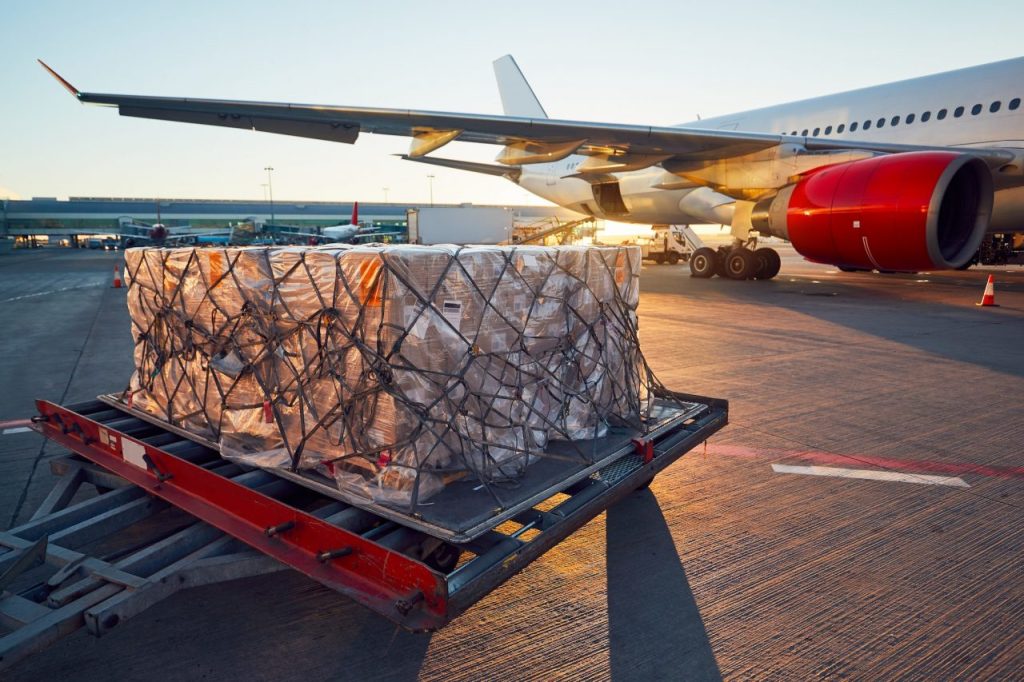
- International Shipping: This is where your goods travel across oceans. We’ll discuss whether air freight or sea freight is the best option for your needs.
- Customs Clearance: This is a big one. The moving company will handle the necessary paperwork to get your shipment through customs in the destination country. This can be tricky, and having experts on your side is a huge help.
- Unpacking and Setup: Once your shipment arrives, the service can include unpacking your boxes and setting up your furniture. Some services even offer debris removal.
- Additional Services: Depending on the provider, this might include storage, insurance coordination, pet relocation, or even vehicle shipping. Our goal is to provide a complete solution.
The key benefit of full-service moving is that it centralizes the entire process under one management team, simplifying communication and accountability.
Navigating International Moving Timelines
Timing is everything when you’re moving internationally. It’s not like a local move where you can just pack up and go next weekend. International moves require significant lead time, and understanding these timelines helps you plan effectively. Our move management approach focuses on clear communication about expected durations.
Here’s a general idea of how long things can take:
- Initial Consultation and Quote: Allow at least 4-6 weeks before your desired packing date. This gives us time to assess your needs and provide an accurate quote.
- Packing and Preparation: This can take anywhere from a few days to a week or more, depending on the volume of your belongings.
- Transit Time: This varies greatly. Sea freight can take 6-10 weeks, sometimes longer, while air freight is much faster, typically 1-2 weeks. These are estimates and can be affected by various factors.
- Customs and Delivery: Once your shipment arrives at the destination port, customs processing can take anywhere from a few days to a couple of weeks. After clearance, final delivery to your new home usually happens within a week.
Planning ahead is the most important step in managing international moving timelines. It’s always better to start the process earlier than you think you need to. We help you map out these stages so there are fewer surprises.
Choosing Between Air and Sea Freight
When it comes to shipping your belongings overseas, you generally have two main options: air freight and sea freight. Each has its pros and cons, and the best choice depends on your priorities, budget, and timeline. Our international move management service helps you weigh these options carefully.
Here’s a quick comparison:
| Feature | Air Freight | Sea Freight |
|---|---|---|
| Speed | Much faster (typically 1-2 weeks) | Slower (typically 6-10 weeks or more) |
| Cost | More expensive | Less expensive |
| Volume | Best for smaller shipments, high-value items | Suitable for larger shipments, household goods |
| Environmental Impact | Higher carbon footprint per item | Lower carbon footprint per item |
If speed is your top priority and you’re moving a smaller volume of goods, air freight might be the way to go. However, for most household moves, especially those involving a lot of furniture and personal items, sea freight is usually the more economical choice. We can help you determine the most suitable method for your specific move, considering factors like cost and value of your shipment.
Decoding International Moving Costs
Figuring out the cost of an international move can feel like a puzzle. There are a lot of pieces to consider, and sometimes unexpected expenses pop up. Our goal is to help you get a clear picture so there are no surprises when you’re relocating.
Factors Influencing Overseas Moving Expenses
The price tag for moving your life across borders isn’t set in stone. Several things play a big role. The distance your belongings travel is a major factor, of course. So is the sheer volume of stuff you’re taking. Are you moving a studio apartment or a five-bedroom house? That makes a difference. The type of shipping you choose also impacts the cost. Air freight is faster but generally more expensive than sea freight. Think about how quickly you need your things at your new destination. We help you weigh these options to find the best fit for your budget and timeline. For example, moving to Canada internationally in 2026 involves understanding these variables from the start.
Identifying Hidden Costs in International Relocation
Beyond the basic shipping fees, there are other costs that can sneak up on you if you’re not prepared. These might include things like customs duties and taxes in your destination country, which can vary widely. Packing materials, especially for fragile items, can add up. If your shipment needs to be stored temporarily before delivery, that’s another expense. Sometimes, movers charge extra for difficult access at either your origin or destination, like narrow streets or stairs. It’s important to ask about these potential add-ons upfront. Our international move management service is designed to anticipate these and provide a more accurate estimate.
Comparing International Moving Quotes Effectively
When you start getting quotes from different moving companies, it’s easy to get overwhelmed. Don’t just look at the bottom line; compare the details. Make sure each quote includes the same services. Are packing, loading, unloading, and basic transit insurance all covered? What about customs clearance assistance? A quote that looks cheaper might be missing important elements that you’ll have to pay for later. It’s also wise to check if the company has a good track record for reliability and customer service. We can help you understand what to look for in a quote to make sure you’re comparing apples to apples and getting the best value for your move.
Key Country-to-Country Moving Insights
Moving between countries, especially from Canada to places like the United States or the UK, has its own set of rules and considerations. It’s not quite like moving across town, that’s for sure. Each destination has unique customs procedures and documentation requirements that you’ll need to get sorted. Our international move management services are designed to help you sort through these specifics, making the process much less of a headache.
Moving From Canada to the United States
This is a common move for many Canadians, and while it might seem straightforward because of proximity, there are still important details to manage. You’ll need to be aware of what you can and cannot bring across the border. Personal effects are generally allowed, but there are limits on things like alcohol, tobacco, and even certain food items. Properly declaring all your goods is key to avoiding delays at the border. Our team can help you prepare the necessary inventory lists and understand the customs declarations required for a smooth entry into the U.S.
- Customs Declarations: Ensure all items are accurately listed. This includes furniture, electronics, and personal belongings.
- Vehicle Importation: If you’re bringing a vehicle, be aware of U.S. EPA and DOT regulations. You’ll need specific documentation.
- Prohibited Items: Familiarize yourself with items that are restricted or banned, such as certain plants, firearms, and illegal substances.
Understanding the specific requirements for moving into the United States from Canada is vital. It prevents unexpected issues at the border and ensures your belongings arrive without unnecessary complications.
Moving From the United States to Canada
Coming back to Canada or moving here for the first time from the U.S. also involves specific procedures. Canadian customs authorities have their own set of rules for importing household goods. Generally, if you’ve owned your goods for at least six months and are moving to Canada to live, you can import them duty-free and tax-free. However, you still need to complete the right paperwork. We can guide you through the process of preparing your customs forms and inventory, making sure you meet all the requirements for importing your belongings.
- Proof of Ownership: You’ll need to show you’ve owned your goods for a minimum period.
- Settling In: Be prepared to provide documentation proving your intent to reside in Canada.
- Restricted Goods: Certain items, like firearms and cannabis, have strict regulations.
Relocating From Canada to the UK
Moving from Canada to the United Kingdom involves crossing the Atlantic, which means a longer transit time and different customs regulations. The UK has specific rules about what can be imported, and it’s important to declare everything. You’ll want to understand the difference between shipping by air versus sea freight, as this impacts both cost and delivery time. Our move management services can help you compare these options and prepare all the necessary documentation for customs clearance in the UK, ensuring your transition is as easy as possible. Planning for international moves like this requires attention to detail.
- Shipping Options: Weigh the pros and cons of air freight (faster, more expensive) versus sea freight (slower, more economical).
- Customs Forms: Accurate completion of the UK customs declaration form (like the TC921) is mandatory.
- Prohibited and Restricted Items: Be aware of items that are not allowed, such as offensive weapons, indecent or obscene materials, and certain food products.
Mastering Customs and Documentation
Getting your belongings from one country to another involves more than just packing boxes. You’ve got to deal with customs and all the paperwork that comes with it. It can seem like a lot, but with a little preparation, it doesn’t have to be a headache. Our international move management service helps simplify this whole process for you.
Essential Customs Documents for International Moves
When you move internationally, each country has its own set of rules about what you can bring in and what paperwork is needed. Having the right documents ready is key to avoiding delays. For most moves out of Canada, you’ll likely need a detailed inventory list of everything you’re shipping. This list should include descriptions of each item, its quantity, and its value. Your moving company will usually help you prepare this, but it’s good to know what’s involved.
Here are some common documents you might encounter:
- Bill of Lading: This is like a receipt for your shipment and a contract between you and the moving company. It details the items being shipped, the origin, destination, and terms of transport.
- Customs Declaration Form: This form declares the contents of your shipment to the customs authorities of the destination country. It helps them assess duties and taxes.
- Passport/ID: You’ll need valid identification, like a passport, for yourself and any family members moving with you. A passport is the most reliable form of identification when crossing borders. A passport is the recommended and universally accepted travel and identification document for international travel.
- Proof of Residency: Depending on the destination country, you might need to show proof that you have legal status to reside there, such as a visa or residency permit.
Navigating Prohibited and Restricted Items
Every country has a list of items that are either completely banned or have restrictions on them. It’s really important to know these rules before you start packing. Shipping something that’s not allowed can lead to your items being confiscated, fines, or even legal trouble. Our team stays up-to-date on these regulations to help you avoid any surprises.
Some common categories to watch out for include:
- Food and Agricultural Products: Many countries have strict rules about bringing in plants, seeds, meats, and dairy products to prevent the spread of diseases.
- Hazardous Materials: Things like flammable liquids, explosives, or certain chemicals are usually prohibited.
- Weapons and Ammunition: These are heavily regulated and often require special permits or are outright banned.
- Certain Second-hand Goods: Some countries limit the import of used clothing or other items to protect local industries or for health reasons.
Always double-check the specific regulations for your destination country. What’s allowed in one place might be a problem in another. Ignorance of the rules isn’t usually an accepted excuse by customs officials.
Minimizing Customs Delays for Your Shipment
Customs delays can add weeks to your move, which is the last thing anyone wants. The best way to speed things up is to be thorough and honest with your documentation. Make sure your inventory is accurate and that you’ve declared everything properly. If you’re unsure about an item, it’s better to ask your moving company or the customs authorities beforehand.
Here are a few tips to help keep things moving:
- Accurate Inventory: Ensure your packing list is detailed and matches what’s actually in the boxes. Any discrepancies can raise red flags.
- Declare Everything: Be upfront about all the items you’re shipping, especially anything that might be considered unusual or valuable.
- Understand Duties and Taxes: Be prepared for potential import duties or taxes. Knowing what to expect can prevent hold-ups when your shipment arrives.
- Work with Experienced Movers: A good international moving company, like ours, has experience dealing with customs in various countries. They know the common pitfalls and how to prepare your shipment to clear customs smoothly. We help manage international moves with attention to these details.
Special Considerations for Family Relocation
Moving your whole family to a new country is a big deal, and honestly, it can feel pretty overwhelming. It’s not just about packing boxes; it’s about uprooting lives and starting fresh somewhere else. We get it. That’s why our international move management services are designed to take the weight off your shoulders, especially when kids or older family members are involved. We focus on making the transition as smooth as possible for everyone.
Making International Moves Less Stressful for Children
Kids often pick up on parental stress, so keeping things calm is key. Talking to your children about the move in an age-appropriate way can help. Focus on the exciting new things they’ll experience, like new friends, parks, or schools. It’s also helpful to involve them in small decisions, like packing their favorite toys or choosing a new bedroom color. A structured approach to their belongings can make a world of difference.
- Create a “comfort box” with familiar items for the journey and the first few days in the new home.
- Research schools and activities in advance and share findings with your children.
- Plan visits to local parks or attractions once you arrive to help them feel more at home.
Moving is a significant life event for children. Providing them with a sense of security and continuity, even amidst change, is paramount. Our team helps coordinate logistics so you can focus on your family’s emotional well-being during this period.
Planning for Retirees Moving Abroad
Retiring in a new country can be a dream, but it requires careful planning. Beyond the physical move, consider healthcare access, local regulations for retirees, and banking. We help manage the complexities of moving your household goods so you can concentrate on settling into your new lifestyle. It’s about making sure your retirement abroad is relaxing, not stressful.
Relocating Pets and Vehicles Internationally
Moving pets and vehicles internationally adds another layer of complexity. Each country has different import regulations for animals, often requiring specific vaccinations, health certificates, and quarantine periods. Similarly, vehicle import rules vary widely and can involve significant taxes or modifications. Our international move management services can guide you through these specific requirements, coordinating with specialized partners when needed. We aim to simplify these unique logistical challenges, making your move to Canada or any other destination more manageable.
- Pet Relocation: We work with trusted partners who understand international pet transport regulations, including breed-specific restrictions and required documentation. This ensures your furry family members travel safely and legally.
- Vehicle Shipping: We can arrange for the shipping of your car, motorcycle, or other vehicles, handling the logistics from pickup to delivery. We’ll help you understand the customs procedures and any associated duties or taxes in the destination country.
- Specialty Items: Beyond pets and vehicles, we also manage the relocation of valuable or delicate items like artwork, musical instruments, or antiques, using specialized packing and transport methods.
Selecting Your International Moving Partner
Choosing the right company to handle your international move is a big decision. It’s not just about finding the cheapest option; it’s about finding a partner you can trust with your belongings and your peace of mind. Our international move management services are designed to take the stress out of this process, connecting you with reliable professionals who understand the complexities of global relocation.
Questions to Ask Before Hiring an Overseas Mover
When you’re vetting potential movers, don’t be shy about asking questions. The more information you gather upfront, the more confident you’ll feel about your choice. Here are some key things to inquire about:
- What specific services are included in your quote? Make sure you understand what packing, loading, shipping, customs assistance, and delivery entail.
- Who will be handling my shipment at each stage? Will it be the company I hired, or will they be passing it off to third parties?
- What is your process for handling claims if something goes wrong? Understand their insurance options and how they manage damaged or lost items.
- How long have you been in business and what is your experience with moves to my destination country? Experience matters when it comes to international moves.
Understanding Mover Accreditations and Memberships
Accreditations and memberships can be good indicators of a mover’s commitment to professionalism and industry standards. Look for companies that are part of reputable organizations. While there are many, some common ones include associations that focus on international moving standards and best practices. These groups often have codes of conduct that their members must follow, which can offer an extra layer of security for your move. It’s worth looking into what these affiliations mean for service quality.
Evaluating Service Quality and Value in Moving Companies
Comparing international moving quotes effectively goes beyond just looking at the bottom line. You need to weigh the quality of service against the price. A slightly higher quote might include better packing materials, more comprehensive insurance, or dedicated customer support throughout the entire journey. Our move management approach focuses on providing clear, upfront pricing and a high level of service, so you know exactly what to expect. We help you understand the value proposition of each option, ensuring you’re not just buying a service, but investing in a smooth transition to your new home. Remember, a successful international move is about more than just getting your stuff from point A to point B; it’s about the entire experience. Choosing an international moving company is a critical step in that experience.
Selecting the right moving partner is about finding a company that offers transparency, reliability, and a clear plan for your specific needs. Don’t hesitate to ask detailed questions and compare not just prices, but the overall value and service commitment.
Picking the right company to help you move overseas is a big deal. You want someone you can trust with your belongings and who knows the ins and outs of moving to another country. Think about their experience and how they handle tricky situations. Ready to find the perfect fit for your international move? Visit our website today to learn more and get started!
Ready for Your New Chapter
Moving your life across borders, whether from Canada to the US, the UK, Australia, or anywhere else, is a big deal. It’s totally normal to feel a bit overwhelmed by all the details, from packing up your home to figuring out customs and getting your family settled. We’ve walked through a lot of what goes into making these big moves smoother, focusing on how to pick the right international moving company and what to look out for. Remember, taking the time to research and ask questions upfront can save you a lot of headaches down the road. With the right planning and a good moving partner, you can focus on the exciting part: starting your new adventure.
Frequently Asked Questions
What exactly does ‘full-service international moving’ mean?
Full-service moving means the company handles almost everything for you. This includes packing your belongings, loading them onto the truck or ship, transporting them to your new country, and often helping with unloading and unpacking at your new home. Think of it as a complete package to make your move as easy as possible.
How long does an international move usually take?
The time it takes can vary a lot. Moving by sea is slower but usually cheaper, taking anywhere from a few weeks to a few months. Moving by air is much faster, often just a few days or weeks, but it costs more. The exact timing also depends on the distance and how long customs takes.
What’s the difference between moving by air and by sea?
Moving by air is like taking a plane – it’s quick but can be pricey, best for important items you need fast. Moving by sea is like sending a cargo ship; it takes longer but is usually more affordable for larger amounts of stuff. You’ll choose based on how fast you need your things and how much you’re willing to spend.
How can I figure out the total cost of moving overseas?
Costs depend on how much stuff you have, how far you’re moving, and what services you choose. Things like packing, insurance, and special handling for delicate items can add up. It’s smart to get detailed quotes from different companies and ask about any extra fees they might charge.
What are the most important documents I’ll need for an international move?
You’ll typically need a detailed list of everything you’re shipping (an inventory), your passport or ID, and possibly customs forms specific to the country you’re moving to. Some items might also need special permits or might not be allowed at all, so it’s good to check the rules beforehand.
How can I make moving with children less stressful?
Involving kids in the process, like letting them pack their favorite toys, can help. Keeping their familiar routines going as much as possible and reassuring them about the new adventure can make a big difference. Having their special items arrive early can also help them feel more at home quickly.
Leave a Comment