Understanding How International: A Comprehensive Guide

Moving to another country can feel like a huge task. You’re probably wondering how international moves even work, right? It’s not quite like moving across town. This guide breaks down the whole process, from figuring out the costs to packing those tricky items. We’ll cover what you need to know to make your big move go as smoothly as possible, focusing on the international aspect of things.
Key Takeaways
- International moving involves more steps than domestic moves, including customs and different transport methods.
- Costs can vary a lot based on distance, volume, and services needed; always watch for extra fees.
- Proper documentation is vital to get your belongings through customs without problems.
- Choosing the right moving company with good reviews and accreditations is important for peace of mind.
- Special items like pets or vehicles have their own rules and require extra planning.
Navigating International Moves: A Comprehensive Overview
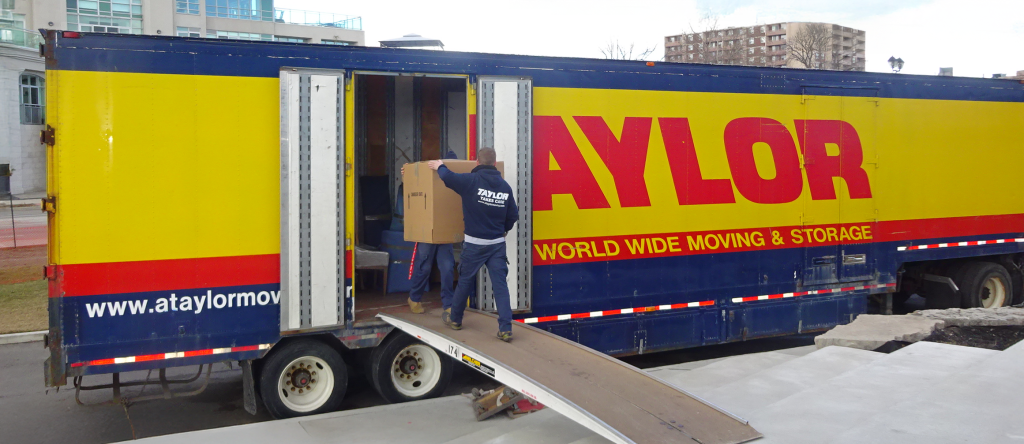
Moving your life to another country is a big deal. It’s not like moving across town; there are a lot more pieces to keep track of. When you’re thinking about an international move, it’s easy to feel overwhelmed by all the details. We’re here to break down how these moves generally work, so you can feel more prepared. Our goal is to make this process as clear as possible, helping you focus on the exciting new chapter ahead.
Understanding How International Moving Works
International moving involves more than just packing boxes and hiring a truck. It’s a complex logistical process that requires careful planning and coordination across borders. Think of it as a journey for your belongings, with specific steps and checkpoints. The first step is usually getting an assessment of what you need to move. This helps determine the volume and weight, which are key factors in planning the transport. Then, you’ll work with a move management partner to figure out the best way to get your items to your new home. This often involves choosing between sea freight, which is more economical for larger shipments, or air freight, which is faster but more expensive. Your move management partner handles the coordination between various services, from packing and loading to international shipping and final delivery. They also help you understand the paperwork needed for customs in both your current and destination countries. It’s about managing the entire chain of events to get your possessions from point A to point B safely and efficiently. Planning your first international move? This guide explains how international moving companies operate and outlines the essential early preparation steps to ensure a smooth transition. Learn about the basics.
Key Components of Full-Service International Moving
When you opt for full-service international moving, you’re essentially handing over the heavy lifting and complex logistics to professionals. This type of service is designed to cover almost every aspect of your move. Here’s what you can typically expect:
- Pre-move Survey: An assessment of your belongings to estimate volume and identify any special packing needs.
- Packing and Loading: Professional packers carefully wrap and box your items, labeling everything for easy unpacking. They then load your goods securely onto the transport vehicle.
- International Transportation: This is the core of the move, involving shipping your items via sea or air freight. Your move management partner will arrange this and keep you updated.
- Customs Clearance: Handling all the necessary documentation and procedures to get your shipment through customs in the destination country. This can be tricky, and having experts manage it is a big help.
- Destination Services: Once your items arrive, they are unloaded, unpacked, and placed in your new home. Debris removal is usually included.
- Storage: If needed, temporary storage can be arranged at either end of the journey.
International Moving Timeline: From Quote to Delivery
Understanding the timeline for an international move is important for managing expectations and planning your own schedule. While every move is different, here’s a general idea of what to expect:
- Initial Consultation and Quote (4-12 weeks before move): You’ll connect with a move management specialist, discuss your needs, and receive a quote based on the volume and services required.
- Booking and Planning (2-6 weeks before move): Once you accept the quote, you’ll finalize the moving dates and details. This is when packing schedules are set.
- Packing Day(s) (1-3 days before departure): Professional packers will come to your home to pack and prepare your belongings for transit.
- Loading and Departure (Move day): Your items are loaded onto the shipping container or transport vehicle and begin their journey.
- Transit Time (2-12 weeks, depending on method): This is the longest phase, where your belongings travel by sea or air. Sea freight can take several weeks, while air freight is much quicker.
- Customs Clearance at Destination (1-3 weeks): Your shipment will go through customs in the new country. This can sometimes cause delays if paperwork isn’t perfect.
- Delivery to New Home (1-2 weeks after customs clearance): The final stage, where your items are delivered to your doorstep and unpacked.
The entire process, from your first contact with a mover to having your belongings in your new home, can take anywhere from 6 weeks to 6 months or even longer. It really depends on the distance, the shipping method, and how smoothly customs goes. Being prepared and working with a good move management team can make a big difference in how quickly and easily everything arrives.
It’s a lot to think about, but by understanding these basic steps, you can start to feel more in control of your international relocation. Our move management services are designed to simplify each of these stages for you. Moving abroad checklist can also help you stay organized.
Understanding the Costs and Value of International Relocation
Moving your life across borders is a big deal, and figuring out the cost is usually one of the first things on your mind. It’s not just about the price tag, though; it’s about understanding what you’re paying for and making sure you get good value for your money. International moves can get expensive, sometimes surprisingly so, but with the right planning and a good move management partner, you can get a clear picture of what to expect.
Factors Influencing International Moving Expenses
The final cost of your international move isn’t set in stone and depends on a bunch of things. Think about where you’re going – moving across the ocean is different from moving to a neighboring country. The volume of your belongings plays a huge role too; more stuff means more space needed on the ship or plane, and that adds up. The services you choose also impact the price. Do you need packing, unpacking, storage, or special handling for certain items? Each of these adds to the total.
Here are some common factors that affect the price:
- Distance: The further the destination, generally the higher the cost.
- Volume/Weight: The more you move, the more it costs.
- Mode of Transport: Air freight is faster but more expensive than sea freight.
- Services Required: Packing, unpacking, customs clearance assistance, storage, and insurance all add to the bill.
- Destination Services: Some countries have higher import duties or require specific destination services that can increase costs.
- Timing: Moving during peak seasons might sometimes lead to higher prices.
Getting a detailed quote from a move management service is key to understanding these variables. They can help break down exactly what goes into your specific estimate.
Identifying and Avoiding Hidden Costs Abroad
This is where things can get tricky if you’re not careful. Hidden costs can pop up unexpectedly, especially when dealing with customs or services at your destination. Sometimes, what seems like a straightforward quote might not include things like destination customs duties, taxes, or fees for specific delivery requirements (like navigating narrow streets or needing special equipment). It’s also worth considering potential costs for temporary storage if your new home isn’t ready when your shipment arrives.
To avoid surprises:
- Always ask for a detailed breakdown of all potential fees, including destination charges.
- Inquire about insurance options and what they cover.
- Understand the process for customs clearance and any associated taxes or duties for your specific destination country.
- Clarify what happens if your shipment needs to be stored temporarily.
Being proactive about understanding all potential expenses, not just the initial shipping cost, is the best way to prevent budget blowouts. A good move management partner will guide you through these potential pitfalls.
Comparing International Moving Quotes Effectively
When you start getting quotes, it’s easy to just look at the bottom line. But that’s not the best way to compare. Different companies might include different things in their estimates. One quote might look cheaper because it leaves out services that another quote includes. It’s important to compare apples to apples.
Here’s how to compare quotes like a pro:
- Review Inclusions: Check exactly what services are listed in each quote. Are packing, loading, shipping, customs assistance, and destination delivery all covered?
- Check for Exclusions: Look for anything that’s not included. This is where hidden costs often hide.
- Understand the Terms: Read the fine print. What are the payment terms? What is the cancellation policy?
- Ask Questions: Don’t hesitate to call the company and ask for clarification on anything you don’t understand. A reputable company will be happy to explain.
When you work with a move management service, they can help you sort through these quotes, making sure you’re comparing them accurately and finding the best overall value for your international relocation needs. This helps you focus on the excitement of your move, not the stress of unexpected bills. Understanding these factors can help you budget effectively for your international move.
Essential Documentation and Customs Procedures
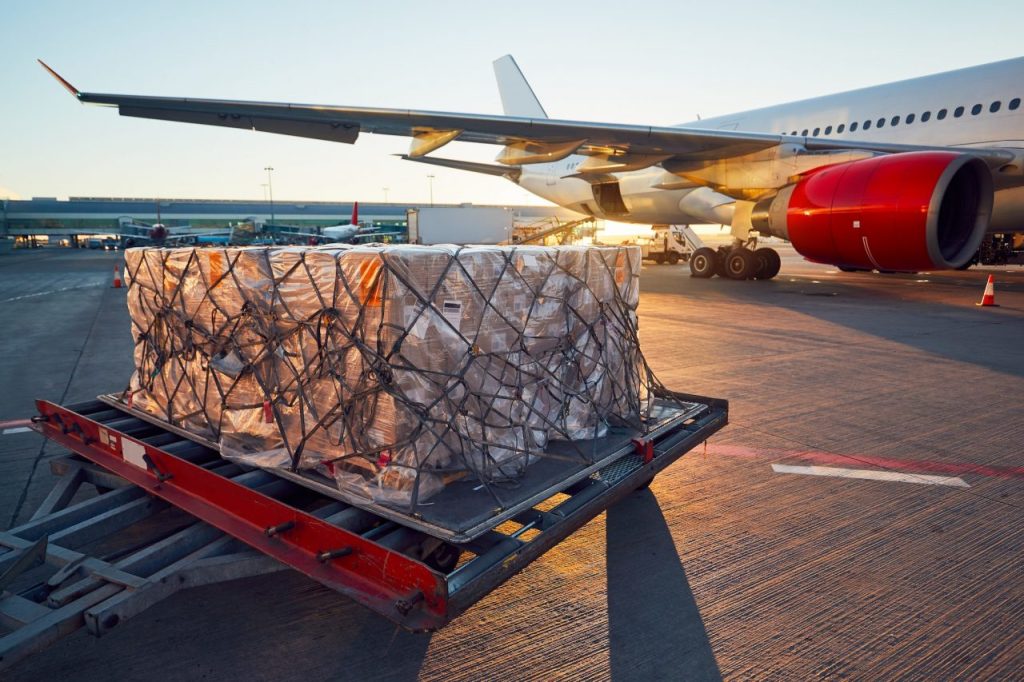
Moving your life across borders means dealing with paperwork. It’s not the most exciting part, but getting it right is super important for a smooth international move. Think of it as the key that unlocks your belongings at the destination. Our international move management service helps you sort through all of this, making sure you have what you need, when you need it.
Required Customs Documents for International Moves
Every country has its own rules about what comes in and what stays out. To get your things through customs without a hitch, you’ll need a few key documents. Usually, this includes a detailed inventory list of everything you’re shipping, a customs declaration form, and proof of your identity and right to move to the new country, like your passport or visa.
- Inventory List: This should list every item being shipped, its condition, and its value. Be thorough – it helps customs officials and is useful if anything goes wrong.
- Customs Declaration Form: This is where you declare what you’re bringing into the country. Honesty is the best policy here.
- Proof of Identity/Residency: Your passport, visa, or residency permit will be needed.
- Bill of Lading or Air Waybill: This is the contract for your shipment and acts as a receipt.
We help you gather and prepare these documents, so you don’t have to guess what’s needed. Proper documentation helps navigate border complexities.
Navigating Prohibited Items in International Shipping
This is where things can get tricky. Most countries have lists of items you absolutely cannot bring in, or items that require special permits. These can range from obvious things like illegal drugs and certain weapons to less obvious items like specific types of plants, food, or even used furniture in some cases. It’s vital to check the specific regulations for your destination country well in advance.
Some common categories to watch out for include:
- Food and Agricultural Products: Many countries have strict rules to prevent the spread of pests and diseases.
- Firearms and Ammunition: These are almost always heavily regulated or prohibited.
- Hazardous Materials: This includes things like flammable liquids, batteries, and certain chemicals.
- Counterfeit Goods: Bringing in fake items can lead to serious legal trouble.
Ignoring these rules can lead to your items being confiscated, fines, or even deportation. We provide guidance on what’s typically restricted, but always double-check with the official customs authority of your destination country.
Strategies to Minimize Customs Delays
Customs delays are a common headache for international movers. The good news is that a lot of them can be avoided with good planning and clear communication. Being proactive with your paperwork is the single most effective way to speed things up.
Here are a few tips:
- Accurate Inventory: Make sure your inventory list is complete and matches what’s actually in your boxes. Inaccuracies are a big red flag for customs.
- Declare Everything: Don’t try to hide anything or downplay the value of your goods. Full disclosure prevents problems.
- Understand Your Destination’s Rules: Research prohibited and restricted items before you pack. Knowing the rules saves time and stress.
- Use a Reputable Mover: A move management company that handles international moves regularly will know the ins and outs of customs procedures and can help prepare you. Streamline customs clearance by uploading necessary documents well in advance.
Dealing with customs can feel overwhelming, but it’s a manageable part of an international move when you have the right support. Our goal is to make this process as clear and stress-free as possible for you.
By understanding these documentation and customs requirements, and working with experienced professionals, you can significantly reduce the stress and potential problems associated with your international relocation.
Choosing the Right International Moving Partner
Picking the right company to handle your international move is a big deal. It’s not like moving across town; this involves a lot more moving parts, literally and figuratively. You want a partner who knows the ropes, has a solid network, and can manage all the details so you don’t have to. Our international move management services are designed to take the stress out of this complex process.
Key Questions to Ask Before Hiring an Overseas Mover
When you’re vetting potential international movers, don’t be shy about asking questions. The more you know upfront, the more confident you’ll feel. Here are some important things to discuss:
- Who actually handles my shipment? Some companies act as brokers and pass your move to other companies. It’s important to know if your primary contact is the one doing the actual work or if they have trusted partners. We work with a carefully selected network to ensure consistent quality.
- What is your experience with my destination country? Customs rules, local delivery practices, and even common challenges can vary wildly from one country to another. A mover with specific experience in your destination can anticipate and avoid many potential problems.
- How do you handle communication and updates? You’ll want to know how you’ll be kept in the loop. Will you have a dedicated point of contact? How often will you receive updates, and through what channels?
- What are your claims and insurance policies? Accidents can happen, even with the best planning. Understand exactly what is covered, how to file a claim, and what the process looks like.
Understanding the specifics of your mover’s network and their local partners is key to a smooth international relocation.
Understanding Accreditations: FIDI, IAM, and AMSA
Accreditations can be a good indicator of a mover’s commitment to quality and professionalism. While not the only factor, they provide a layer of assurance. You might see acronyms like FIDI, IAM, or AMSA. These organizations set standards for international movers. For example, FIDI focuses on quality management systems, while IAM has a broad membership base and focuses on industry best practices. AMSA is more specific to Australia. Researching what these accreditations mean can help you understand a company’s commitment to industry standards. We are proud to be part of a network that adheres to high international standards.
Evaluating Service Quality, Timelines, and Overall Value
When comparing different international moving companies, it’s easy to get caught up in just the price. But remember, you’re not just buying transportation; you’re buying peace of mind and a smooth transition. Think about the overall value. This includes:
- Service Quality: Does the company provide detailed packing, unpacking, and customs assistance? Do they have positive reviews regarding customer service?
- Timelines: International moves take time. A reputable mover will give you a realistic timeframe, from pickup to delivery. Be wary of quotes that seem too fast or too slow without good reason. A well-managed move respects your schedule. International moving timeline from first quote to final delivery is important to understand.
- Transparency: Are all costs clearly laid out? Do they explain potential extra fees? Our move management approach focuses on clear communication and predictable costs.
Ultimately, the best partner is one that offers a balance of quality service, clear communication, and fair pricing, all managed through a robust system designed for international moves.
Managing the Complexities of Family and Executive Relocations
Moving your family or yourself for an executive role across international borders brings a unique set of challenges. It’s not just about packing boxes; it’s about uprooting lives and starting fresh in a new environment. Our international move management services are designed to handle these intricate details, making the transition as smooth as possible for everyone involved.
Planning International Moves for Families with Children
When children are part of the equation, the move becomes even more sensitive. We understand that a child’s routine, schooling, and social connections are important. Our approach focuses on minimizing disruption. This includes:
- Early Planning: Starting the process well in advance to allow children time to adjust to the idea of moving.
- School Research: Providing information and resources to help find suitable schools in your new country.
- Familiarization Tours: If possible, arranging visits to the new location before the actual move so children can see their new surroundings.
- Packing with Kids in Mind: Letting children pack a special box of their favorite toys and books that will travel with them or be unpacked first.
We work with you to create a plan that addresses your children’s specific needs, helping them feel secure and excited about the adventure ahead.
Special Considerations for Retirees Moving Abroad
Retiring abroad can be a dream, but it requires careful planning. Beyond the excitement of a new lifestyle, there are practical matters to sort out. We help retirees consider:
- Healthcare Access: Understanding the healthcare system in your destination country and how to access services.
- Cost of Living: Researching the actual costs of daily life to ensure your retirement funds stretch appropriately.
- Community Integration: Finding ways to connect with local communities and build a social network.
- Legal and Financial Advice: Connecting you with resources for understanding local laws and financial regulations.
Our goal is to support your vision of a fulfilling retirement abroad by taking the stress out of the relocation logistics.
Executive Relocation: Strategies for a Smooth Transition
For executives, time is often of the essence, and the stakes are high. A successful relocation is key to a productive start in a new role. We manage the entire process, from initial planning to final settlement, so you can focus on your new responsibilities. This often involves:
- Visa and Immigration Support: Assisting with the complex paperwork and procedures required for international work visas and residency permits. Navigating visa regulations can be a significant hurdle, and our expertise helps streamline this.
- Home Finding Services: Helping you find suitable accommodation in your new location, whether temporary or permanent.
- Settling-In Services: Providing support with essential tasks like setting up utilities, opening bank accounts, and understanding local customs.
- Global Move Management: Coordinating all aspects of your move, from packing and shipping your household goods to managing the transit and final delivery, ensuring your belongings arrive safely.
We pride ourselves on providing a discreet, efficient, and personalized service that meets the demanding needs of executive relocations. Our move management approach ensures every detail is handled with precision, allowing you to settle in quickly and confidently.
Logistical Considerations for Special Items
Moving internationally brings its own set of unique challenges, especially when it comes to items that aren’t your everyday household goods. Pets, vehicles, and fine art all require special attention to make sure they arrive safely and without a hitch. It’s not just about packing them up; it’s about understanding the regulations, the best transport methods, and the specific needs of each item. Our international move management services are designed to handle these complexities, taking the stress out of relocating your most prized possessions or beloved companions.
Moving Pets Internationally: Requirements and Tips
Relocating your furry, feathered, or scaled family members across borders is a significant undertaking. Each country has its own set of rules regarding animal imports, including vaccination records, health certificates, microchipping, and quarantine periods. Planning well in advance is absolutely key to a smooth pet relocation.
- Research Destination Country Requirements: Start by looking up the specific import rules for your destination country. Organizations like the USDA (for U.S. exports) or your destination country’s equivalent are good starting points.
- Veterinary Consultations: Schedule appointments with your veterinarian early. They can help you navigate vaccination schedules, obtain necessary health certificates, and advise on any breed-specific regulations.
- Travel Crate and Acclimation: Ensure your pet’s travel crate meets International Air Transport Association (IATA) standards if flying. Get your pet used to the crate for several weeks before the move to reduce travel anxiety.
- Timing is Everything: Avoid moving pets during extreme weather months, as this can be dangerous. Coordinate with your move manager to select the best travel dates.
Transporting Vehicles Overseas: What to Expect
Shipping a vehicle internationally involves more than just driving it to the port. You’ll need to consider shipping methods, customs duties, and registration in your new country. Our team can help coordinate the entire process, from pickup to delivery.
- Shipping Methods: Common options include Ro-Ro (Roll-on/Roll-off) shipping, where your car is driven onto a specialized vessel, or container shipping, which offers more protection and can be combined with household goods.
- Documentation: You’ll need proof of ownership (title), registration, and potentially a bill of sale. Customs declarations and import permits are also usually required.
- Costs: Factor in shipping fees, insurance, customs duties, taxes, and any port or handling charges at both ends. These can vary significantly based on the vehicle and destination.
The logistics of moving a vehicle internationally can be intricate, involving specific documentation and varying shipping methods. Understanding these details upfront can prevent unexpected delays and costs.
Handling Fine Art and Valuables During an International Move
Items like fine art, antiques, and other high-value possessions require specialized packing and handling. These items are often fragile and irreplaceable, making their safe transit a top priority. We work with specialized partners to ensure your valuables are protected throughout the journey.
- Specialized Packing: Museum-quality packing materials and techniques are used to protect against shock, vibration, and environmental changes.
- Valuation and Insurance: Proper valuation is critical for adequate insurance coverage. We can help you understand your options for insuring these unique items.
- Customs and Documentation: Certain items, especially art, may require specific export/import permits or documentation to clear customs. We manage this paperwork to avoid issues.
Our move management approach means we oversee every detail, from the initial survey to the final placement of your belongings, including these special items. This coordinated effort helps make even the most complex international moves feel manageable. International moves are our specialty, and we’re here to guide you through every step.
When moving special items, like artwork or large furniture, careful planning is key. We need to think about how to pack them safely and what kind of transport will work best. This ensures everything arrives in perfect condition. For expert advice on handling your unique belongings, visit our website today!
Wrapping Up Your International Move
So, we’ve gone over a lot of ground, from figuring out how international moving actually works to dealing with all the paperwork and customs stuff. Moving across countries, whether it’s from Canada to the US or anywhere else in the world, can feel like a huge task. It’s easy to get stressed about the details, like how to move your car or what happens to your pets. But remember, breaking it down into smaller steps makes it much more manageable. Thinking about things like timelines, costs, and what kind of service you need is key. And when you find the right moving company, one that’s clear about the process and has a good track record, it makes a world of difference. Hopefully, this guide has helped clear some of the fog and made the idea of an international move feel a little less daunting. Ready to take the next step? Get a quote and see how we can help make your move smooth.
Frequently Asked Questions
What’s the main difference between moving within a country and moving to another country?
Moving within a country means you’re staying within the same borders, like moving from one U.S. state to another. International moving, however, involves crossing country lines, like going from Canada to the United States or to any other nation. This means dealing with different rules, languages, and customs.
What does a ‘full-service’ international move include?
A full-service move is like having a personal moving assistant for your entire journey. It covers everything from carefully packing your belongings at your old home, loading them onto ships or planes, handling all the paperwork and customs stuff, transporting them to your new country, and finally delivering them to your new doorstep. They often help with unpacking too!
How long does an international move usually take?
It really depends on where you’re moving! A move across the border, like between Canada and the U.S., might be quicker. Moving across oceans can take several weeks or even a couple of months. It’s best to start planning and get quotes well in advance, usually a few months before you need to move.
How can I be sure a moving company is trustworthy?
Look for companies that have good reviews and are part of professional groups like FIDI, IAM, or AMSA. These groups have standards that movers have to meet. Also, ask lots of questions about who will handle your stuff and how they keep track of it. A good company will be happy to answer everything.
Are there special rules for moving certain items like pets or cars?
Yes, absolutely! Moving pets internationally often requires specific vaccinations, health checks, and special travel crates. Transporting vehicles usually involves different shipping methods and lots of paperwork. For valuable items like art, you’ll need extra care and insurance. It’s wise to discuss these special items early with your mover.
What are ‘hidden costs’ when moving overseas?
Hidden costs are extra fees that might pop up unexpectedly. This could be things like storage fees if your delivery is delayed, special charges for hard-to-reach places, or taxes and duties in the new country that weren’t included in the initial quote. Always ask for a clear breakdown of all potential costs.
Leave a Comment