How to Move Internationally: A Comprehensive Guide for a Smooth Transition

Thinking about moving your life across borders? It’s a big step, and honestly, it can feel pretty overwhelming. You’ve got stuff to pack, paperwork to sort, and a whole new place to get used to. This guide is here to break down how to move internationally, step-by-step. We’ll cover the basics, help you figure out costs, and give you tips so your move goes as smoothly as possible. Let’s get started.
Key Takeaways
- Understand the basics of international moving, including timelines and shipping options like air or sea freight.
- Get a clear picture of costs by estimating expenses, watching for hidden fees, and comparing quotes from different movers.
- Prepare all necessary documents and be aware of customs rules to avoid delays when you move internationally.
- Choose a reliable international moving company by checking their credentials and asking the right questions.
- Plan for your family’s adjustment, especially for children and retirees, and focus on settling into your new community.
Planning Your International Move
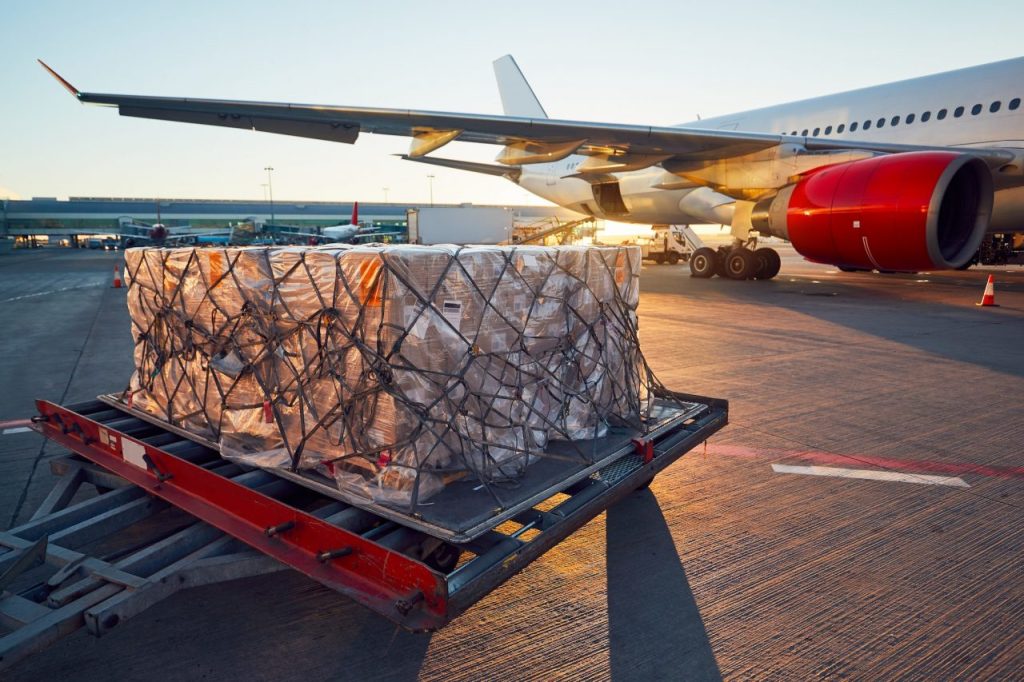
Moving to another country is a big deal, and getting the planning right from the start makes all the difference. It’s not just about packing boxes; it’s about understanding the whole process, from timelines to how your stuff will actually get there. A well-thought-out plan helps avoid a lot of stress down the road.
Understanding International Moving Basics
So, what exactly goes into an international move? It’s more than just hiring a truck. Think of it as a multi-step journey where professionals handle everything from carefully packing your belongings to sorting out all the paperwork needed to get your items across borders. Our international move management services are designed to cover all these bases, making sure nothing gets missed. We handle the complexities so you don’t have to.
- Professional Packing: Our teams use specialized materials to protect your items during the long journey.
- Documentation Assistance: We help you gather and prepare the necessary documents for customs.
- Customs Clearance: We work to ensure your shipment moves through customs smoothly.
- Transportation: We manage the logistics of getting your items to your new country, whether by air or sea.
The key to a successful international move is preparation. Understanding the basics of how these moves work, what services are typically included, and the general timeline involved can set you up for a much smoother experience.
Creating a Realistic Moving Timeline
When you’re moving abroad, time is your friend, but it can also be your enemy if you don’t plan for it. A realistic timeline is super important. Most international moves take a good chunk of time, often several months from when you first start planning to when your belongings arrive. It’s not something you can throw together in a few weeks. We help you map out these stages, so you know what to expect and when.
Here’s a general idea of how long things can take:
- Initial Planning & Quote: 1-2 weeks (This is where you get an idea of costs and services).
- Home Survey & Booking: 1-3 weeks (A detailed assessment of your items and booking your move).
- Packing: 1-3 days (Depending on the volume of your belongings).
- Transit Time: 2-10 weeks (This varies greatly depending on the destination and shipping method).
- Customs & Delivery: 1-2 weeks (Clearing customs and final delivery at your new home).
Starting your planning at least 3-4 months before your desired move date is highly recommended. This gives us plenty of time to coordinate everything properly.
Choosing Between Air and Sea Freight
When it comes to getting your stuff to your new home, you’ve generally got two main options: air freight or sea freight. Each has its own pros and cons, and the best choice really depends on your priorities, like speed versus cost.
- Sea Freight: This is usually the more budget-friendly option. It’s great if you’re not in a huge rush and have a lot of items to move. However, it’s also the slowest method, with transit times that can stretch for several weeks. It’s a solid choice for household goods and furniture when cost is a major factor. Learn about sea freight options.
- Air Freight: If speed is your main concern, air freight is the way to go. It’s significantly faster than sea freight, often taking just a few days to a couple of weeks. The trade-off is that it’s considerably more expensive, so it’s typically used for essential items or smaller shipments where getting there quickly is more important than saving money.
We can help you weigh these options based on your specific needs and destination to find the most suitable transport method for your international move.
Navigating Costs and Budgets
Estimating International Moving Expenses
Moving your life to another country is a big deal, and figuring out the cost is usually one of the first things people worry about. It’s not just about the big stuff like shipping containers; there are a lot of smaller costs that can add up quickly. Getting a clear picture of these expenses from the start can save you a lot of stress later on. Our international move management service helps break down these costs so you know what to expect. We look at everything from the volume of your belongings to the distance they’re traveling.
Here’s a general idea of what goes into the cost:
- Transportation: This is usually the biggest chunk. It includes the actual shipping (by sea or air), plus any local transport at both ends.
- Packing and Materials: Professional packing is often recommended for international moves to protect your items. This includes boxes, wrapping materials, and labor.
- Insurance: Protecting your belongings during transit is important. You’ll want to understand the different insurance options available.
- Destination Services: This can include things like customs clearance, delivery to your new home, and unpacking.
We help you understand these components so you can budget effectively for your international move.
Identifying Potential Hidden Costs
Beyond the obvious price tag from a moving company, there are often costs that people don’t think about until they pop up. These can really throw a wrench in your budget if you’re not prepared. Think about things like:
- Customs Duties and Taxes: Depending on the country you’re moving to and the items you’re bringing, you might have to pay import fees. These vary a lot by destination.
- Storage Fees: If your new home isn’t ready when your belongings arrive, you might need to pay for temporary storage.
- Special Handling: Items that require special care, like pianos, large artwork, or delicate electronics, might incur extra charges.
- Visa and Immigration Fees: While not directly a moving cost, these are often part of the overall relocation expense.
It’s easy to focus only on the shipping quote, but a truly smooth transition means accounting for all potential expenses, big and small. Our move management process is designed to uncover these potential costs early.
Comparing Moving Quotes Effectively
When you start getting quotes from international movers, they can look very different. It’s not just about the bottom line number; you need to compare what’s actually included. A cheaper quote might leave out important services, costing you more in the long run. When you’re looking at different estimates, pay attention to:
- Services Included: Does the quote cover packing, unpacking, customs assistance, and delivery to your door? Make sure you’re comparing apples to apples.
- Transit Times: How long will it take for your belongings to arrive? Longer transit times might mean higher storage costs if your new home isn’t ready.
- Insurance Coverage: What level of protection is offered, and what are the deductibles?
- Payment Terms: Understand the deposit required and when the final payment is due.
We help you sort through these details, making sure you get a clear and accurate comparison of moving quotes. This way, you can make an informed decision based on value and service, not just price. Understanding these factors will help you budget effectively for your international move.
Managing Customs and Documentation
Moving your life to another country means dealing with a whole new set of rules and paperwork. It can feel a bit overwhelming, but understanding the basics of customs and documentation is key to a smooth international move. Getting this right from the start can save you a lot of headaches later on. Our international move management services are designed to help you navigate these complexities with confidence.
Required Documents for International Relocation
Every country has its own import regulations, and you’ll need specific documents to get your belongings through customs. While the exact list can vary, here are some common ones you’ll likely encounter:
- Passport and Visa: Your personal identification and proof of legal right to reside in the new country.
- Customs Declaration Form: This is a standard form where you declare the goods you’re bringing in.
- Detailed Inventory List: A comprehensive list of all items being shipped, often including their estimated value. This is super important for customs officials.
- Proof of Ownership: Sometimes you’ll need to show you’ve owned certain items for a specific period (like furniture or vehicles).
- Import Permit/Exemption Certificate: Depending on the country and the items, you might need special permission.
Our team helps you gather and prepare all the necessary paperwork, making sure it’s accurate and submitted on time. This attention to detail is what helps prevent delays.
Understanding Prohibited and Restricted Items
Each country has a list of things you absolutely cannot bring in, and others that require special permission or have limits. These lists are in place for safety, security, and economic reasons. Common restricted items include alcohol, tobacco, certain foods, and even specific types of plants or animals. Prohibited items can range from illegal drugs to certain weapons.
It’s really important to check the specific regulations for your destination country well in advance. Bringing prohibited items can lead to confiscation, fines, or even legal trouble. We provide guidance on what you can and cannot ship, helping you avoid any surprises at the border.
Minimizing Customs Delays
Customs delays are one of the most frustrating parts of an international move. They can happen for many reasons, but often it comes down to incomplete or inaccurate documentation, or issues with the items being shipped. Sometimes, it’s just a matter of high volume at the port.
Here’s how we work to keep things moving:
- Accurate Declarations: We ensure all your paperwork is filled out correctly and honestly.
- Proper Inventory: A well-prepared inventory list helps customs officials understand what’s in your shipment quickly.
- Knowledge of Regulations: Staying up-to-date on country-specific rules helps us anticipate and address potential issues.
- Professional Coordination: Working with experienced customs brokers and our global network means we can often clear shipments faster.
Dealing with customs and documentation for an international move can feel like a maze. It requires careful planning and a good understanding of the rules in both your current and destination countries. Having a partner who knows the ins and outs can make a world of difference in ensuring your belongings arrive without unnecessary hold-ups.
Our move management services take the burden of customs clearance off your shoulders. We handle the complexities so you can focus on settling into your new home. If you’re shipping a vehicle, for example, we can help you understand the specific import requirements and documentation needed, like an import permit or exemption certificate moving internationally with a car.
Understanding the potential fees associated with customs is also part of the process. These can include customs declaration forms, duties, taxes, and brokerage fees. While exemptions for household goods are common, it’s good to be aware of these potential costs customs and documentation fees.
Selecting Your International Mover
Picking the right company to handle your international move is a big deal. It’s not like just hiring someone to move your couch across town. This is about trusting someone with all your belongings as they travel across oceans. You want a company that knows what they’re doing, has a good track record, and makes the whole process feel less like a gamble. Our international move management services are designed to take the guesswork out of this, connecting you with reliable partners.
How to Choose a Reputable International Mover
Finding a mover you can trust involves a bit of digging. You’re looking for a company that’s transparent about its services and pricing. A good mover will be upfront about everything, from packing to customs clearance to final delivery. Don’t be afraid to ask questions. It’s better to ask too many than to be surprised later. We help streamline this selection process by vetting partners and managing the logistics.
Understanding Mover Accreditations
Accreditations can be a helpful indicator of a mover’s commitment to quality and standards. While there isn’t one single global accreditation that covers everything, look for affiliations with reputable industry organizations. These groups often have codes of conduct and dispute resolution processes. Some common ones to be aware of include FIDI, IAM, and AMSA, though their specific relevance can vary by region. Knowing what these mean can help you compare moving companies.
Key Questions to Ask Potential Movers
When you’re talking to companies, have a list of questions ready. This helps you get a clear picture of their services and how they operate. Here are a few to get you started:
- What specific services are included in your quote? (e.g., packing, unpacking, customs brokerage, insurance)
- Who will be handling my shipment at the destination? Is it your own team or a partner company?
- What is your process for handling claims if something is damaged or lost?
- Can you provide a detailed inventory of items being shipped?
- What are the estimated transit times, and what factors could cause delays?
Remember, the company you choose is responsible for the safe transport of your possessions across borders. Their communication, professionalism, and attention to detail during the quoting and planning stages often reflect how they’ll handle the actual move.
Understanding the total cost is also key. Factors like shipping methods, packing services, and customs duties all play a role. Air freight is faster but costs more, while sea freight is more budget-friendly but takes longer. Professional packing protects your belongings but adds to the expense. Always consider potential extra charges for things like storage or insurance. Getting detailed quotes is the best way to get a handle on international relocation costs.
Relocating Your Family Abroad
Moving your whole family to a new country is a big deal, and honestly, it can feel pretty overwhelming. It’s not just about packing boxes; it’s about uprooting everyone’s lives and starting fresh somewhere completely different. Our international move management services are designed to take the weight off your shoulders, handling the complex logistics so you can focus on what matters most – your family’s well-being.
Making the Move Smooth for Children
Kids often feel the biggest impact of an international move. Their routines, friends, and familiar surroundings are all changing. It’s important to involve them in the process as much as possible, age-appropriately, of course. Talking about the new country, showing them pictures, and even learning a few words of the local language together can make a huge difference. Setting up their new room to feel familiar, perhaps with their favorite toys and posters, can also help them settle in faster.
- Start the conversation early: Don’t wait until the last minute to talk about the move. Explain why you’re moving and what exciting new experiences await.
- Visit the new location (if possible): Even a short trip can help children visualize their new home and reduce anxiety.
- Maintain connections: Help them stay in touch with friends and family back home through video calls and letters.
- Explore their new environment: Once you arrive, make time to discover local parks, playgrounds, and kid-friendly activities.
Considerations for Retirees Moving Overseas
Retiring abroad can be a dream come true, offering new cultures and a change of pace. However, it also comes with unique considerations. You’ll want to think about healthcare access and quality in your new country, as well as any financial or tax implications. Understanding local laws and customs is also key to a comfortable retirement. Our team can help you sort through the details, from understanding visa requirements to ensuring your belongings arrive safely, so you can focus on enjoying your retirement years.
Settling into Your New Home and Community
Once you’ve arrived, the real work of settling in begins. This involves more than just unpacking. It’s about building a new life. Finding local services, understanding public transportation, and getting involved in community activities are all part of the process. Don’t underestimate the importance of finding a good school district if you have children, or understanding local social norms. We help manage the physical move, but we also provide resources and support to help you integrate into your new surroundings.
The emotional aspect of moving is often overlooked. Give yourselves and your family time to adjust. It’s okay to feel a mix of excitement and sadness. Building a new support network takes time, so be patient with yourselves and the process.
Relocating your family internationally is a significant undertaking, but with proper planning and support, it can be a rewarding experience. Our international move management services are here to guide you every step of the way, making your transition as smooth as possible. Planning your international move is our specialty.
Handling Special Logistics
Moving your life across borders often means more than just packing boxes. There are certain items and companions that require extra attention and planning. Our international move management services are designed to handle these complexities, so you don’t have to.
Moving Pets Internationally
Your furry family members are part of the move, and their well-being is a top priority. Different countries have varying regulations regarding pet import, including vaccination records, microchip requirements, and quarantine periods. It’s important to start this process early, as some vaccinations need to be administered months in advance. We work with specialized pet relocation partners to ensure your pet travels safely and comfortably, adhering to all destination country rules. Proper planning is key to avoiding last-minute stress for both you and your pet.
Shipping Vehicles Abroad
Deciding whether to ship your car overseas involves weighing costs against convenience. Shipping methods vary, including roll-on/roll-off (Ro-Ro) services and container shipping. Each has its own pros and cons regarding cost, security, and transit time. You’ll need to gather specific documentation, such as the vehicle title and proof of ownership. Our team can help you understand the options and manage the logistics of getting your vehicle to your new home, including navigating customs procedures at the destination.
Transporting Valuables and Artwork
Items of high monetary or sentimental value, like artwork, antiques, or sensitive electronics, need special care. These items often require custom crating, specialized packing materials, and climate-controlled transport options. Insurance is also a critical consideration for these goods. We coordinate with experts to ensure your most prized possessions are protected throughout their journey. Understanding the documentation needed for customs, such as appraisals or certificates of authenticity, is also part of our service.
When dealing with special logistics, remember that timelines can be longer than for standard household goods. Proactive planning and clear communication with your move management team are your best tools for a smooth transition.
Dealing with tricky shipping needs can be tough. We make it simple to move your stuff, no matter how unusual. Need to ship something special? Visit our website to learn how we handle all kinds of logistics with ease.
Ready for Your New Adventure
So, you’ve made it through the planning, the packing, and the goodbyes. Moving to a new country is a huge step, and honestly, it’s a lot. But by breaking it down and tackling each part, you’ve hopefully found that it’s totally doable. Remember all those little details we talked about, from sorting out your paperwork to figuring out how your pet will travel? They all add up to a smoother journey. It’s normal to feel a bit overwhelmed, but you’ve got this. Take a deep breath, embrace the change, and get ready for whatever exciting new experiences await you in your new home. Here’s to a fresh start!
Frequently Asked Questions
What’s the first thing I should do when planning to move overseas?
The very first step is to get a good understanding of what international moving actually involves. Think about the big picture: where you’re going, what you need to take, and the general timeline. This will help you make a solid plan from the start and avoid feeling overwhelmed later on.
How can I be sure I’m picking a trustworthy moving company?
To find a reliable mover, do your homework! Look for companies that have good reviews and are part of professional organizations. Don’t be afraid to ask them lots of questions about their experience, how they handle shipments, and what happens if something goes wrong. Getting multiple quotes can also help you compare their services and prices.
What are the most common hidden costs I should watch out for?
Besides the main moving fee, watch out for extra charges like customs duties, special packing for fragile items, storage fees if your destination isn’t ready, and insurance. Sometimes, the cost of moving things like pets or vehicles can also add up quickly. Always ask your mover for a detailed breakdown.
How do I figure out if I should ship my belongings by air or sea?
Shipping by sea is usually cheaper but takes much longer, sometimes months. Air freight is faster, often just a few weeks, but costs more. If you have a lot of stuff or aren’t in a rush, sea freight might be best. For essential items or if you need things quickly, air freight is the way to go, though it’s pricier.
What kind of paperwork will I need for an international move?
You’ll likely need a lot of documents! This often includes passports, visas, a detailed inventory list of everything you’re shipping (sometimes called a ‘customs declaration’), and possibly even things like a driver’s license or proof of address in your new country. Each country has its own rules, so check the specific requirements for your destination.
How can I make moving less stressful for my kids?
Moving can be tough on kids. Try to involve them in the packing process by letting them pack their favorite toys. Talk to them openly about the move and what to expect in the new place. Visiting the new location beforehand if possible, or looking at pictures and videos together, can also help them feel more comfortable and excited about the adventure.
Leave a Comment