What Does Moving Overseas Mean for Your Career and Life?

Thinking about packing up and moving to another country? It’s a big step, and it’s natural to wonder what does moving overseas mean for your job and your life. It’s more than just changing your address; it’s a whole new chapter that touches on your career path, your daily routines, and how you see the world. This guide will break down what you need to think about before you make the jump.
Key Takeaways
- Moving overseas impacts both your professional life and personal world in significant ways.
- Careful planning is needed to manage the practicalities of an international move, from paperwork to family needs.
- Understanding the costs involved, including potential hidden expenses, is vital for financial readiness.
- Logistics like choosing shipping methods and packing special items require early attention.
- Selecting a trustworthy moving company is key to a smoother transition and peace of mind.
Understanding the Scope of Moving Overseas
Moving overseas is a big deal, way more than just packing boxes and changing your address. It’s a life-altering event that touches pretty much everything, from your job to your daily routine. Thinking about it can feel overwhelming, but breaking it down makes it manageable. Our international move management services are designed to help you see the whole picture and plan accordingly.
What Does Moving Overseas Mean for Your Career?
When you move abroad, your career takes center stage. It’s not just about finding a new job; it’s about understanding how your skills translate to a different market and what opportunities might open up. Some people move for a specific job offer, while others look for new career paths entirely. It’s a chance to gain international experience, which can really make your resume stand out. This global exposure can lead to unique professional growth and a broader network.
Here are a few things to think about career-wise:
- Job Market Research: Look into the industries and job availability in your target country. Are your qualifications recognized?
- Networking: Start connecting with people in your field abroad before you even move. LinkedIn can be a great tool for this.
- Visa and Work Permits: These are critical. You’ll need to figure out the requirements for working legally in your new country.
- Cultural Differences in the Workplace: Each country has its own work culture, from communication styles to office etiquette. Being aware of these can help you fit in faster.
Navigating International Relocation for Your Life
Beyond work, moving overseas reshapes your entire life. It’s about adapting to a new culture, finding a place to live, and building a new social circle. This can be exciting, but it also comes with its own set of challenges. You’re not just moving your belongings; you’re moving your entire life, and that involves a lot of personal adjustment. Moving abroad fosters adaptability and confidence, but it’s important to be prepared for the emotional and practical sides of settling in.
Consider these aspects of your life:
- Daily Living: How will you handle things like banking, transportation, and shopping in a new environment?
- Social Connections: Making new friends and finding a community takes time and effort. Think about joining clubs or groups related to your hobbies.
- Language Barriers: If you’re moving to a country where you don’t speak the language, consider taking classes beforehand or upon arrival.
- Cultural Immersion: Be open to experiencing new traditions, foods, and ways of life. This is a big part of the adventure.
Relocating internationally is a complex undertaking that involves more than just logistics. It requires careful planning for both your professional and personal life, addressing potential hurdles like cultural differences and family adjustments. Our move management services help simplify these complexities, allowing you to focus on the exciting aspects of your new life abroad.
Understanding the full scope of an international move is the first step. It helps set realistic expectations and allows for better preparation, making the transition smoother. Relocating involves significant emotional and logistical hurdles, and our goal is to help you manage them effectively.
Key Considerations for an International Move
Moving your life across borders is a big deal, and it’s not just about packing boxes. There are a lot of moving parts, and thinking them through beforehand can save you a ton of headaches. Our international move management service is designed to help you tackle these complexities head-on, making the whole process smoother.
Managing the Complexity of International Relocation
International moves are inherently more complicated than domestic ones. You’re dealing with different laws, distances, and logistics. Understanding the scope of what’s involved is the first step to managing it effectively. This includes everything from how your belongings will travel to what paperwork is needed.
Here’s a breakdown of common complexities:
- Distance and Transit Time: How far are you going? Will your items travel by sea or air? Sea freight is usually cheaper but takes much longer. Air freight is faster but costs more. Our team helps you weigh these options based on your timeline and budget.
- Customs and Regulations: Every country has its own rules about what you can bring in. Some items might be restricted or require special permits. We help you understand these requirements to avoid delays or unexpected fees.
- Coordination: Managing different vendors, tracking shipments, and staying on schedule requires a lot of coordination. This is where a dedicated move management service really shines, keeping everything organized for you.
The sheer volume of details can feel overwhelming. It’s easy to overlook something important when you’re juggling job changes, finding new housing, and saying goodbyes. Having a structured approach, like the one we provide, helps ensure nothing falls through the cracks.
Addressing Family and Life-Stage Adjustments
When you move overseas, it’s not just your stuff that’s relocating; your family is too. Thinking about how the move impacts everyone, at every stage of life, is super important. We help make sure that the needs of all family members are considered.
- For Families with Children: Moving can be tough on kids. New schools, new friends, and a new environment can be a lot. We can provide resources and advice on how to prepare your children for the transition and help them adjust once you arrive.
- For Couples and Singles: Adjusting to a new culture, language, and social scene takes time. It’s about building a new support network and finding your place in your new community.
- For Retirees: If you’re planning to retire abroad, there are specific considerations like healthcare, local laws, and making sure your retirement funds are accessible. Planning ahead is key for a comfortable retirement in a new country.
Understanding Customs and Documentation Requirements
This is often the most confusing part of an international move. Getting your documentation right is non-negotiable to avoid significant delays or even the seizure of your belongings. Each country has its own import regulations, and they can be quite detailed.
Key documents you’ll likely encounter:
- Customs Declaration Forms: These forms list everything you’re shipping. Accuracy is vital.
- Inventory List: A detailed list of all items being shipped, often required by customs and your mover.
- Passport and Visa Information: Your personal identification and legal right to enter and reside in the new country.
- Proof of Ownership/Residence: Sometimes needed to show you own the items or have lived abroad for a certain period.
We work closely with you and our global partners to ensure all necessary paperwork is correctly completed and submitted on time. This proactive approach helps clear customs smoothly, allowing your belongings to reach you without unnecessary hold-ups. Understanding these requirements is a big part of what makes an international move successful, and we guide you through it every step of the way. For more on the general process and costs, you can look into international relocation basics.
Financial Aspects of Relocating Abroad
Moving your life to another country is a big deal, and let’s be honest, money is a huge part of that. It’s not just about the big ticket items; there are so many little costs that can add up faster than you think. Thinking about the financial side of things early on can save you a lot of headaches down the road. Our international move management services are designed to help you get a clear picture of these costs.
Estimating the Cost of an Overseas Move
When you’re planning an international move, the first thing that usually pops into your head is the cost of shipping your belongings. This is often the biggest single expense. But it’s more than just the price of the truck or the container. The distance you’re moving, how much stuff you have, and the type of transport you choose all play a big role. For example, shipping by air is faster but way more expensive than shipping by sea. We help you break down these costs so you know what to expect.
Here’s a general idea of what influences your shipping costs:
- Volume and Weight: The more you move, the more it costs. Movers often charge by cubic feet or by weight.
- Distance: Moving across the globe costs more than moving to a neighboring country.
- Mode of Transport: Air freight is quicker but pricier; sea freight is slower and more budget-friendly.
- Services Included: Do you need packing, unpacking, storage, or insurance? These add to the total.
Identifying Potential Hidden Expenses
Beyond the obvious shipping costs, there are other expenses that people often forget about. Think about things like customs duties and taxes in your new country. Sometimes, there are fees for destination services, like getting your items cleared through customs or delivered to your new home. Don’t forget about the cost of temporary housing if your new place isn’t ready when you arrive, or the expense of setting up utilities. It’s also wise to budget for unexpected travel costs or initial living expenses before you get paid in your new country. Planning for these can make a big difference in your overall budget. Planning your finances for a permanent move abroad is key.
Comparing International Moving Quotes Effectively
Getting quotes from different international movers is a smart move, but it can be confusing. Not all quotes are created equal. Some might seem cheaper at first glance, but they might not include all the services you need. Always compare apples to apples. Make sure each quote details exactly what services are included, the estimated transit time, and any potential fees. Ask questions! A good move management company will provide clear, detailed quotes and explain all the charges. This way, you can make an informed decision and avoid surprises. Understanding the complexity of international relocation is part of our service. An international move involves relocating your home.
It’s easy to get caught up in the excitement of a new country, but overlooking the financial details can lead to stress. A well-planned budget, accounting for both known and potential unknown costs, is your best friend when moving overseas.
Logistical Planning for Your Overseas Journey
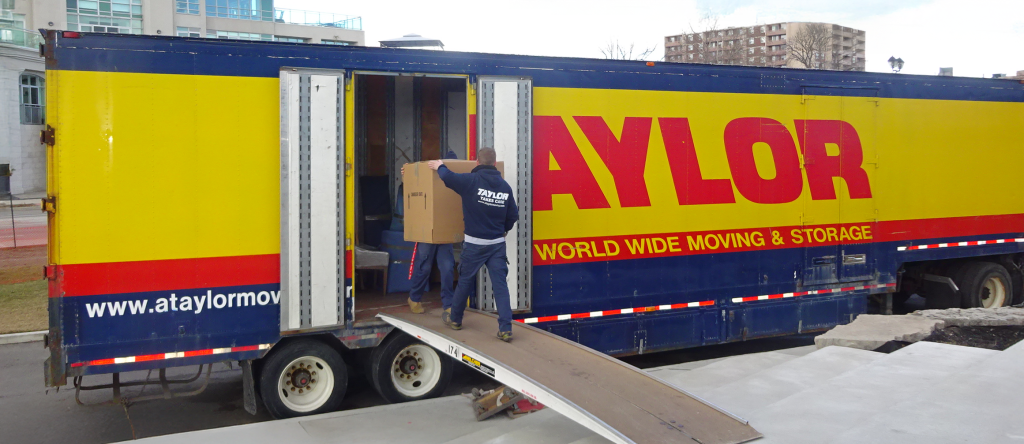
Planning an international move can feel like a huge undertaking. There are so many moving parts, and it’s easy to get overwhelmed. But with a solid plan, you can make the process much smoother. Our international move management services are designed to take the stress out of these complex logistics, letting you focus on the excitement of your new adventure.
Timeline Anxiety: When to Start Planning Your Move
It’s a common question: “How early do I really need to start planning?” The short answer is: sooner than you think. For international moves, starting your planning at least 2-3 months in advance is a good baseline. However, for larger households or more complex moves, six months or even a year ahead isn’t unreasonable. Think about it – you’ll need time to sort through belongings, get quotes, pack, arrange shipping, and handle all the paperwork. Our move management process helps break this down into manageable steps, so you’re not facing a mountain of tasks all at once.
Here’s a general timeline to consider:
- 6+ Months Out: Declutter ruthlessly. Start researching your destination country’s import regulations. Get initial quotes from international moving companies.
- 3-4 Months Out: Finalize your moving company. Begin packing non-essential items. Arrange for any necessary storage.
- 1-2 Months Out: Pack essential items. Confirm shipping dates and details. Notify relevant parties (banks, employers, etc.) of your move.
- 2 Weeks Out: Final packing. Arrange for utility shut-offs at your current home. Confirm travel arrangements.
- Moving Day: Oversee the movers. Do a final walkthrough of your old home.
Choosing Between Air Freight and Sea Freight
When it comes to getting your belongings across the ocean, you generally have two main options: air freight and sea freight. Each has its pros and cons, and the best choice depends on your priorities.
- Sea Freight: This is typically the more economical option, especially for larger shipments. It’s slower, though, with transit times that can range from several weeks to a few months, depending on the destination and route. It’s a good choice if you’re not in a rush and want to save money.
- Air Freight: This is significantly faster, often taking only a few days to a week. However, it comes at a higher cost. Air freight is usually best for essential items you need quickly or for smaller shipments where the cost difference isn’t as drastic.
Our move management specialists can help you weigh these options based on your budget, timeline, and the volume of your shipment. We work with a network of trusted carriers to find the best solution for your needs.
Special Logistics: Pets, Vehicles, and Valuables
Moving overseas isn’t just about furniture and boxes. Many people need to transport pets, vehicles, or items of significant sentimental or monetary value. These specialized logistics require extra planning and often involve specific regulations and handling procedures.
- Pets: Moving a pet internationally involves health certificates, vaccinations, quarantine periods (depending on the destination), and specialized travel crates. It’s a process that needs careful attention to detail and early planning.
- Vehicles: Shipping a car overseas can be complex, involving customs duties, import taxes, and specific shipping methods. You’ll need to research the requirements for your destination country thoroughly.
- Valuables: Items like artwork, antiques, or sensitive electronics may require special packing, insurance, and handling to prevent damage during transit. It’s important to declare these items and ensure they are properly insured.
Handling these unique items requires a deep understanding of international regulations and specialized packing techniques. Our team is experienced in coordinating the logistics for pets, vehicles, and high-value items, making sure they arrive safely and in compliance with all requirements.
When you partner with us for your international move management, we help you coordinate all these moving parts. From getting accurate international moving costs in 2026 to ensuring your pet has a safe journey, we aim to simplify the entire process. We can also provide resources and checklists, similar to those available for military families preparing to move overseas, to help you stay organized.
Building Trust in International Moving Services

How to Select a Reliable International Mover
Picking the right company to handle your international move can feel like a big gamble. You’re entrusting them with all your belongings, and the thought of something going wrong is pretty stressful. It’s not just about finding someone who can pack boxes; it’s about finding a partner who understands the complexities of moving across borders and can manage the whole process smoothly. Our approach to international move management focuses on clear communication and a structured process, so you know exactly what to expect.
When you’re looking for a mover, think about their experience specifically with international relocations. Have they handled moves to your destination country before? Do they have a solid network of partners on the ground? Asking these questions upfront can save a lot of headaches later. A good international mover will be transparent about their services and pricing.
Understanding Mover Accreditations and Credentials
It’s easy to get lost in all the different acronyms and certifications out there when vetting international moving companies. What do they actually mean for you and your move? Some common accreditations indicate that a company adheres to certain quality standards and ethical practices. For instance, organizations like FIDI (International Federation of International Movers) or IAM (International Association of Movers) often have requirements for their members regarding training, financial stability, and operational procedures. These aren’t just badges; they represent a commitment to professionalism.
Here’s a quick look at what some credentials might suggest:
- Industry Association Membership: Shows they are part of a larger professional community.
- Quality Certifications: Indicates adherence to specific operational standards.
- Customer Reviews and Testimonials: Real-world feedback from people who have used their services.
Don’t just take their word for it; do a little digging. A company that invests in these credentials is often a sign they take their service quality seriously.
Questions to Ask Before Hiring an Overseas Moving Company
Before you sign on the dotted line, it’s smart to have a list of questions ready. This helps you compare different companies and get a clear picture of what you’re signing up for. You want to understand not just the cost, but the entire service package.
Here are some key questions to consider:
- What is included in the quote? Make sure you understand what services are covered, like packing, unpacking, customs clearance, and insurance. Ask about any potential extra fees that might pop up.
- What is your process for handling customs documentation? This is often the trickiest part of an international move. A good mover will guide you through this.
- How do you track shipments? Knowing where your belongings are during transit provides peace of mind.
- What is your claims process if something is damaged or lost? Understand their policy and what steps you need to take.
- Can you provide references from recent international moves? Hearing from past clients can be very telling.
Getting clear answers to these questions will help you feel more confident in your choice and make your international relocation a smoother experience. Understanding the full scope of international moving services is key to a successful transition. International moving involves packing, shipping, customs, and delivery across borders, and a good move manager makes all the difference.
Adapting to Your New Life Abroad
Moving overseas is a huge change, and settling into a new country takes time and effort. It’s not just about unpacking boxes; it’s about building a new life from the ground up. This is where the real adventure begins, and having a solid plan for your new home is key.
Settling In: Housing and School Considerations
Finding a place to live and figuring out schooling for your children are usually the first big hurdles. Your new home needs to feel like home, and that starts with a good location. Think about commute times to work, proximity to amenities like grocery stores and parks, and the general feel of the neighborhood. Our international move management services can help coordinate the logistics of getting your household goods to your new address, taking some of the pressure off.
When it comes to schools, research is your best friend. Public vs. private, local curriculum vs. international schools – each has its pros and cons. Visiting potential schools if possible, or at least connecting with other expat families online, can give you a clearer picture. Don’t underestimate the importance of this step; it significantly impacts your family’s adjustment.
Making the Transition Smooth for Children
Kids often feel the impact of a move more intensely. They’re leaving behind friends, familiar routines, and everything they know. Involving them in the process, even in small ways, can make a big difference. Let them help pack their own toys or choose their new bedroom. Once you arrive, focus on establishing new routines quickly. This could mean finding local playgrounds, signing them up for activities, or simply having a regular family dinner time. Our team understands that moving children requires extra care, and we work to make the transport of their belongings as stress-free as possible.
Here are a few ideas to help your kids adjust:
- Explore together: Make visiting new parks, museums, or local attractions a family outing.
- Stay connected: Help them keep in touch with friends back home through video calls.
- Learn the language: Encourage them to learn a few basic phrases in the local language; it can boost their confidence.
- Be patient: Understand that it takes time for them to feel comfortable and make new friends.
Retiring Abroad: Essential Pre-Move Planning
Retiring overseas is a dream for many, offering a chance for a new chapter. But it requires a different kind of preparation than a career move. You’ll want to think about healthcare access and costs, local laws regarding residency for retirees, and how your pension or savings will be managed. It’s also about lifestyle – what do you want your retirement to look like? Do you envision an active social life, opportunities for travel, or a quiet pace?
Consider these points carefully:
- Healthcare: Research the healthcare system in your chosen country. Will you use public services, private insurance, or a combination?
- Finances: Understand currency exchange rates and how they might affect your budget. Look into banking and tax implications.
- Community: How will you integrate into the local community? Are there expat groups or activities that interest you?
Planning your move with a professional international moving company can simplify many of these logistical challenges, allowing you to focus more on the exciting aspects of your retirement abroad. Planning your move is the first step to a successful transition.
Moving to a new country can feel overwhelming, but it doesn’t have to be. We’re here to help you settle in smoothly. Our team makes sure your belongings arrive safely and on time, so you can focus on enjoying your new adventure. Ready to start your journey? Visit our website for tips and to get a free quote!
So, What’s the Takeaway?
Moving your life and career overseas is a massive undertaking, no doubt about it. It’s not just about packing boxes and changing your address. It’s about stepping into a whole new world, professionally and personally. You’ll face challenges, sure, like figuring out new job markets or getting used to different ways of life. But you’ll also find incredible opportunities for growth and experiences you can’t get anywhere else. Thinking it through, planning ahead, and getting the right help can make all the difference. It’s a big step, but for many, it’s a step that leads to a richer, more exciting chapter.
Frequently Asked Questions
What’s the biggest change when I move my career overseas?
Moving your career overseas can mean finding new job opportunities or even changing your entire career path. You might need to learn new skills or get used to different ways of working. It’s a big adventure for your professional life!
How do I pick a good moving company for an international move?
To find a trustworthy moving company, look for ones that have good reviews and are part of official moving groups. Always ask them questions about their experience and what services they offer. Make sure they are clear about everything before you hire them.
What are some hidden costs I should watch out for when moving abroad?
Besides the main moving cost, watch out for things like customs fees, special packing for certain items, and maybe even temporary storage. Sometimes, the cost of living in the new country can also be higher than you expect. It’s smart to plan for extra money.
How much time should I give myself to plan an international move?
It’s best to start planning as early as possible, ideally several months before you plan to move. This gives you plenty of time to sort out all the details, like packing, paperwork, and choosing a moving company, without feeling rushed.
Is it harder to move pets or cars internationally?
Yes, moving pets and vehicles overseas often needs extra planning and can cost more. Each country has its own rules for bringing in animals, and shipping a car involves special paperwork and transport methods. It’s wise to research these requirements early on.
What’s the most important thing to consider for my family when moving overseas?
For families, especially those with children, making sure everyone feels comfortable and settled is key. This includes finding a good place to live, figuring out schools, and helping kids adjust to a new environment and culture. It’s about making the new place feel like home for everyone.
Leave a Comment