US to UK customs import for household goods: A comprehensive guide
Key Takeaways
Moving your belongings from the United States to the United Kingdom requires early planning and attention to detail. These are the core elements for a successful relocation:
- Apply for Transfer of Residence (ToR) relief well before your shipment leaves to qualify for duty-free entry.
- Create a comprehensive inventory list that reflects the actual items you are bringing as personal effects.
- Know the specific UK regulations governing restricted items like alcohol, tobacco, and high-value antiques.
- Partner with experienced international movers to simplify the complexities of customs clearance and documentation.
- Set a realistic moving timeline that accounts for potential border inspections or unexpected clearance delays.
Overview of UK customs regulations for personal effects
Understanding Transfer of Residence (ToR) relief
Transfer of Residence (ToR) relief is a crucial program that allows individuals relocating to the UK to import their personal household goods without paying customs duty or import VAT. To benefit from this, you must demonstrate that you have lived outside the UK for at least 12 months prior to your move. Taylor International emphasizes that applying through the official HMRC portal is a foundational step, as this relief is not granted automatically upon arrival.
Eligibility requirements for tax-free import
To qualify for tax-free status, the items must be your personal property that you have possessed and used for at least six months before moving. You cannot import items that are intended for resale, commercial distribution, or that were recently gifted. Proving residency status and long-term ownership of your goods ensures that your US to UK customs import household goods transition proceeds without unnecessary fiscal hurdles.
Required documentation for importing personal property
Your documentation package must be precise to survive customs scrutiny. This typically includes a copy of your passport, evidence of your new UK address, and a comprehensive inventory list. Professional move management teams often assist in reconciling these records to avoid discrepancies that can lead to cargo holds at the port of entry.
Preparing your inventory and paperwork
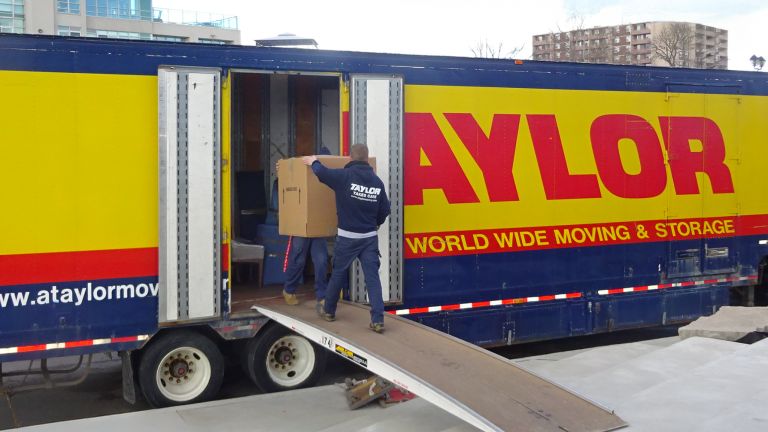
Creating a detailed and accurate packing list
Building an inventory list is more than just listing boxes; it describes what is inside every container. A transparent list helps customs agents assess your shipment quickly, reducing the chance of an manual inspection. When organizing, consider these steps for your inventory records:
- Bundle items by category to make verification easier for officials.
- Avoid vague descriptions like ‘miscellaneous’ or ‘kitchen supplies’ which trigger interest.
- Assign a realistic value to each item for insurance purposes and customs reporting.
- Include specific details for high-value items, such as serial numbers for electronics.
Declaring values for your household goods
Accuracy is vital when declaring the value of your goods. While some items may be older, you should declare their current market value at the time of shipment. Taylor International advisors recommend keeping receipts for major electronics or furniture to substantiate your claims if a border agent questions the stated value of your cargo during an audit.
Timeline for customs document submission
Customs paperwork is a time-sensitive process that should begin at least eight weeks before your items are loaded for sea or air transport. Submitting your forms early allows time for corrections if your application for duty-free status contains minor errors, ensuring your goods are ready for clearance upon reaching the port.
Navigating restricted and prohibited items
Common items restricted by UK customs
Certain items face strict bans or require special licensing to enter Britain. You must avoid shipping hazardous materials, certain types of lithium batteries, or weapons, as these lead to immediate seizure. Thoroughly vetting your cargo for these items with your international relocation guide helps protect your total inventory from confiscation.
Managing secondary imports like alcohol and tobacco
If you plan to ship a personal collection of alcohol or tobacco, understand that these count as excise-controlled goods. You will likely pay full duty on these items regardless of your ToR status. It is often more cost-effective to donate or consume these items before you leave the US rather than shipping them.
Special regulations for antiques and heritage items
Antiques and cultural heritage items require specific provenance documentation to clear customs. If you are a collector, ensure you have appraisals or certificates of authenticity ready. Taylor International experts warn that if an item is considered a national heritage piece, it might require extra permits that could delay your entire shipment.
Handling specialized shipment requirements

Rules and procedures for shipping motor vehicles
Shipping a car requires compliance with both US exit regulations and UK road safety standards. You must provide a clear title and proof that you are the owner, and your vehicle must undergo an SVA (Single Vehicle Approval) test once it arrives to ensure it is modified to local road conditions.
Requirements for transporting pets or livestock
Moving a pet is a distinct logistical challenge that involves rabies certificates, microchipping, and specific travel kennel requirements. You must coordinate with registered carriers, as your pet cannot travel in a standard household goods container. For a general overview of the process, see this pet relocation guide.
Essential protocols for shipping fine art and collections
Fine art, such as paintings or sculptures, requires climate-controlled packaging and specialized crate materials. The table below illustrates the standard considerations for shipping fragile collections compared to standard items:
| Item Category | Packaging Requirement | Insurance Priority | Documentation Needed |
| :— | :— | :— | :— | :— |
| Household Linens | Cardboard boxes | Standard | Packing List |
| Fine Art | Custom Crating | High | Provenance/Appraisals |
| Electronics | Static-free wrap | Moderate | Serial Numbers |
Following these protocols provides peace of mind knowing your most sensitive items are handled with the care they deserve.
Working with professional customs clearance services
Why expert oversight minimizes port delays
Ports are busy, and an error on a manifest can sideline your container for weeks. Professional move management oversight ensures that every piece of paperwork meets current government standards. This proactive management, often provided by firms like Taylor International, minimizes the risk of inspection delays at arrival ports.
How international movers manage document verification
Experienced movers conduct internal audits of your documentation before it ever reaches a customs officer. By reviewing your declarations for potential red flags, they correct discrepancies that would otherwise stall the release of your property. This verification process is a standard part of their relocation checklist.
Navigating potential duties and tax considerations
Even with ToR, there are instances where duties apply unexpectedly. Professional brokers understand the nuances of the tax code and can advocate for your goods to be classified correctly. This guidance prevents overpayment and ensures that you are only paying what the law strictly requires.
Managing expectations for transit and delivery
Estimating standard clearance timelines at the border
Clearance times can fluctuate based on port congestion and the current volume of shipments. While a standard shipment might clear in just a few days, you should prepare for a window of two to three weeks to account for processing and final logistics, particularly if you are shipping by sea.
Factors that increase the likelihood of inspections
Customs agents utilize risk-based profiling to select containers for inspection. If your manifest is incomplete, if you lack specific declarations for high-value items, or if your description of goods is too broad, the likelihood of a physical check increases during your move.
Steps to follow if your shipment is flagged by agents
If you receive notice that your shipment is held, maintain close contact with your moving agent. They serve as the intermediary to provide authorities with any missing documentation or clarifications. Avoid acting on your own, as unauthorized interference can complicate the status of your personal goods.
Conclusion
Relocating to the United Kingdom from the US is an involved process, but success is achievable through careful planning and adherence to administrative requirements. By prioritizing your ToR documentation and ensuring your inventory is transparently accounted for, you significantly reduce the risk of border issues, allowing you to focus on settling into your new home.
Frequently Asked Questions
How far in advance should I start my paperwork?
Begin your official paperwork at least eight weeks before your planned move date to ensure sufficient time for ToR application processing.
Can I send personal items before I move to the UK?
Yes, but they must still correspond to your ToR status and you must be able to prove you are the owner who is relocating for the same purpose.
What happens if I make a mistake on my inventory list?
Contact your moving coordinator immediately to submit a revised list; corrections are much easier to handle before the shipment crosses the border.
Is it worth shipping appliances to the UK?
Consider the voltage difference and plug types, as most US appliances require converters that may not be sustainable for long-term UK use.
What qualifies as a commercial item versus personal effect?
Commercial items include large quantities of new products or tools used for business; personal effects are items used in your daily household routine.
Does Taylor International handle the full customs process?
An international moving company will manage the required document submission and liaison with customs officials, but you remain responsible for the accuracy of your personal inventory and financial declarations.
Why are some containers inspected randomly?
Customs authorities perform random checks to ensure compliance with import regulations and national security standards, regardless of the quality of your documentation.
Leave a Comment