How to Move Internationally: A Comprehensive Guide for a Seamless Transition

Thinking about packing up your life and moving to another country? It sounds like a lot, right? But honestly, with a bit of planning and knowing what to expect, how to move internationally can actually be pretty straightforward. This guide is here to break down all the steps, from figuring out the costs to getting your paperwork in order, so your big move feels less like a headache and more like an adventure. We’ll cover the basics, the money side of things, and even how to handle tricky stuff like moving pets or vehicles.
Key Takeaways
- Understand the whole process of moving overseas, including what services movers offer and the typical timeline from getting a price to your stuff arriving.
- Figure out the costs involved. Look at price guides, what makes prices change, and watch out for extra fees. Always compare quotes carefully.
- Get your paperwork right. Know what documents customs needs, what you can and can’t ship, and how to avoid delays by preparing a good inventory.
- Plan for your family’s needs. Whether you’re moving with kids, retiring, or relocating for work, there are specific things to think about for each stage of life.
- Choose a moving company you can trust. Learn how to pick one, what certifications mean, and what questions to ask to make sure they’re a good fit for your move.
Understanding International Moving Basics
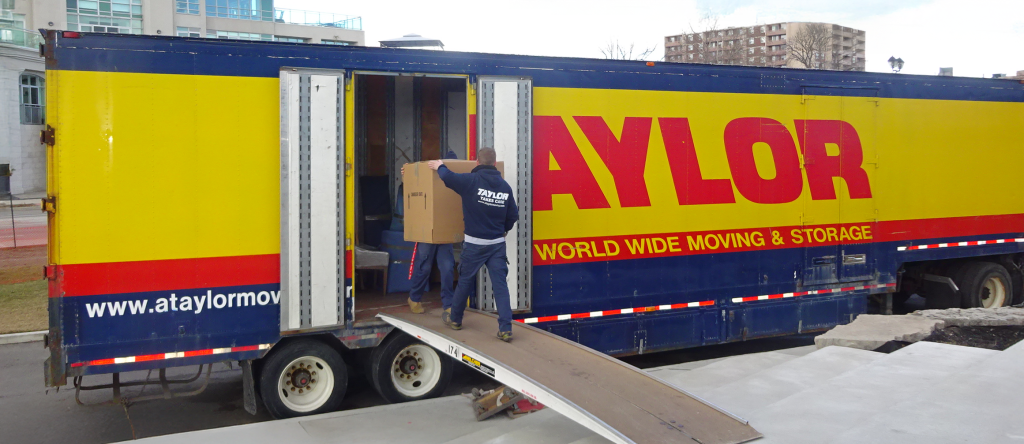
Moving your life across borders is a big deal, and honestly, it can feel a bit overwhelming at first. It’s not quite like moving across town. There are more steps, more paperwork, and definitely more waiting involved. But don’t let that get you down! Understanding how the whole process works is the first step to making it feel much more manageable. Our goal is to help you get a clear picture of what to expect, from the moment you get your first quote to when your last box arrives at your new home. We’re here to guide you through the complexities, so you can focus on settling in.
How International Moving Works
International moving is essentially a complex logistical operation that involves transporting your household goods from one country to another. It’s a multi-stage process that requires coordination across different transportation modes, customs agencies, and often, multiple handling points. Unlike domestic moves, international relocations are subject to customs regulations, import duties, and international shipping laws, which can significantly impact timelines and costs. The key is to partner with a move management service that understands these intricacies. They act as your central point of contact, coordinating all the moving parts to simplify the process for you. This includes everything from packing and loading at your origin to customs clearance and final delivery at your destination. Planning ahead is really important; starting your research and getting quotes early gives you a better chance at a smooth transition. You can find a helpful checklist for moving abroad to get you started.
What Full-Service International Moving Includes
When you opt for full-service international moving, you’re essentially handing over the heavy lifting – and the complicated bits – to the professionals. This type of service is designed to cover nearly every aspect of your move. It typically includes:
- Pre-move survey: An assessment of your belongings to provide an accurate quote and plan.
- Packing and loading: Professional packing of your items using specialized materials to protect them during transit, followed by careful loading onto the transport.
- International shipping: Arranging and managing the transportation of your goods via air or sea freight.
- Customs clearance: Handling all the necessary documentation and procedures to get your shipment through customs in both the origin and destination countries.
- Unpacking and debris removal: Upon arrival, your items are delivered to your new home, unpacked, and the packing materials are removed.
- Storage: If needed, temporary storage solutions at either end of the journey.
Our move management services are built to handle these details, giving you peace of mind.
International Moving Timeline From First Quote to Final Delivery
Understanding the timeline is super important for managing expectations. An international move takes longer than a domestic one, often spanning several weeks or even months. Here’s a general idea:
- 8-12 weeks before move: Get quotes, choose a mover, finalize dates, and start decluttering.
- 4-8 weeks before move: Packing begins, and you’ll need to gather necessary documents.
- 1-4 weeks before move: Final packing, utility arrangements, and confirming details with your mover.
- Transit time: This varies greatly depending on the shipping method (air freight is faster but more expensive; sea freight is slower but more economical). It can range from a few days for air to several weeks for sea.
- Customs clearance: This can take anywhere from a few days to a couple of weeks, depending on the destination country and the accuracy of your documentation.
- Final delivery: Once cleared, your belongings are delivered to your new home.
Starting the process early is the best way to avoid last-minute stress.
Air Freight vs. Sea Freight: Making the Right Choice
Choosing between air and sea freight is a big decision that impacts both cost and speed. It really comes down to your priorities and budget.
- Air Freight:
- Sea Freight:
We help you weigh these options to find the best fit for your specific move. It’s about balancing speed, cost, and the volume of items you’re sending. Remember, early preparation is key to a smoother international transition.
Navigating Costs and Value for Your Move
Moving your life across borders can feel like a big financial puzzle. It’s not just about packing boxes; it’s about understanding where your money is going and making sure you’re getting good value for it. Many people worry about unexpected charges popping up, and honestly, that’s a valid concern. Our goal is to help you get a clear picture of the expenses involved so you can plan effectively.
International Moving Cost Guides by Lane
Costs for international moves can really vary depending on where you’re going. Think of it like planning a trip – a weekend getaway to a neighboring city costs less than a month-long adventure across the ocean. The distance your belongings need to travel is a major factor. For example, moving from the US to a nearby country will generally be less expensive than moving to a continent far away. We help break down these costs by common routes, giving you a better idea of what to expect for your specific destination. This way, you’re not just guessing; you’re working with realistic figures.
Factors Affecting the Cost of an Overseas Move
So, what exactly makes the price tag go up or down? It’s a mix of things. The size of your home is a big one – more stuff means more space needed on the ship or plane, and more labor to move it. The method of transport, whether it’s air freight (faster but pricier) or sea freight (slower but more budget-friendly), plays a huge role. Then there are the services you choose. Do you want us to pack everything? Do you need storage at your destination? These add-ons contribute to the total cost. Understanding these variables is key to budgeting accurately.
Here’s a quick look at some common cost influencers:
- Volume of Goods: The more you move, the higher the cost.
- Distance: Longer distances typically mean higher shipping fees.
- Shipping Method: Air freight is faster and more expensive than sea freight.
- Packing Services: Professional packing adds to the overall price.
- Insurance: Covering your belongings during transit is an important consideration.
- Destination Services: Customs clearance, delivery to your new home, and unpacking all have associated costs.
Understanding Hidden Costs of Moving Abroad
Beyond the main shipping fees, there are often smaller costs that can catch people off guard. These might include things like destination customs duties or taxes, which vary greatly by country. There can also be fees for specific types of packing materials needed for international transit, or charges for delivering to remote locations. Sometimes, storage fees can add up if there are delays in getting your goods cleared or if your new home isn’t ready. We work hard to identify these potential costs upfront so there are fewer surprises for you. It’s all part of our move management approach to keep things transparent.
Planning for international moves requires looking beyond the obvious expenses. Anticipating potential fees related to customs, specific packing needs, or delivery challenges can prevent budget overruns and reduce stress during an already demanding time. Proactive identification of these costs is a hallmark of effective relocation planning.
How to Compare International Moving Quotes Effectively
Getting quotes from different companies is a smart move, but comparing them can be tricky. Not all quotes are created equal. Some might seem lower at first glance, but they might not include the same services. It’s important to look at what’s actually listed. Are packing, loading, shipping, customs clearance, and final delivery all included? Are there any exclusions? We encourage you to compare apples to apples. Our detailed quotes aim to be clear about what’s covered, helping you see the true value of our international move management services. We want you to feel confident in your choice, knowing you’re getting comprehensive support for your relocation.
Mastering Customs and Documentation
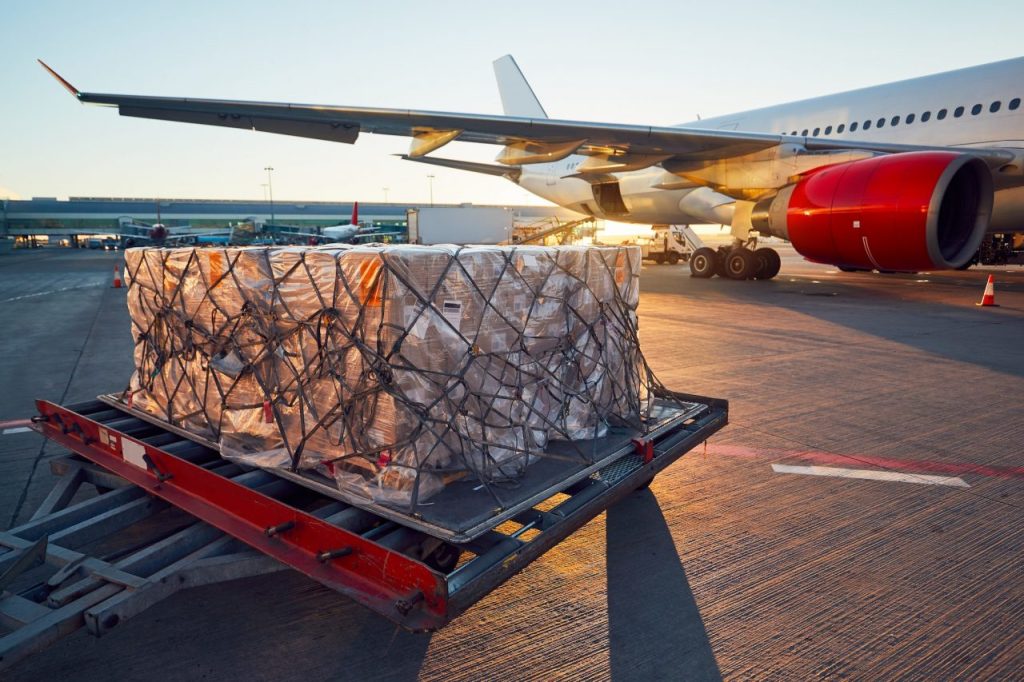
Moving your life across borders means dealing with more than just packing boxes. Customs and documentation are a big part of the process, and getting them wrong can cause serious headaches. It’s not just about filling out forms; it’s about understanding what each country allows and requires. Our international move management services help sort through this complexity, making sure your paperwork is in order so your belongings arrive without unnecessary delays.
Essential Customs Documents for International Moves
Every country has its own set of rules for what you can bring in. Generally, you’ll need a few key documents to get your shipment through customs. Think of these as your passport for your possessions.
- Customs Declaration Form: This is a standard form that lists everything you’re shipping. It helps customs officials understand the nature and value of your goods.
- Inventory List: A detailed list of all items being shipped, often including estimated values. This should be as accurate as possible. We help create a precise inventory for your overseas move.
- Passport/Visa Information: Proof of your identity and legal right to enter the destination country is often required.
- Import Permit (if applicable): Some items, like vehicles or specific goods, might need a special permit before they can be imported.
What Can and Cannot Be Shipped Internationally
This is where things can get tricky. Most household goods are fine, but there are always restrictions. Knowing these rules beforehand saves a lot of trouble. For example, you generally can’t ship hazardous materials, firearms (without proper permits), or perishable food items. Some countries also have strict rules about importing certain plants, animals, or even used goods.
It’s always best to check the specific regulations of your destination country. Our team stays updated on these rules, helping you avoid shipping items that could be confiscated or cause issues at the border. This includes understanding requirements for shipping vehicles overseas, which often have specific documentation needs like an import permit or title Moving internationally with a car requires specific documentation..
Reducing the Risk of Customs Delays
Customs delays are a common worry for people moving abroad. They can happen for many reasons, but often it comes down to paperwork. Inaccurate or incomplete documentation is a leading cause. Sometimes, it’s a misunderstanding of what’s allowed or not allowed.
Here’s how we help minimize these risks:
- Accurate Inventory: We work with you to create a thorough and truthful inventory of all your belongings.
- Proper Declarations: We ensure all items are declared correctly according to the destination country’s rules.
- Proactive Communication: We maintain open lines of communication with customs brokers and authorities when needed.
Dealing with customs can feel like a maze, but with the right preparation and guidance, it doesn’t have to be a major obstacle. Our goal is to make this part of your international move as smooth as possible.
Preparing an Accurate Inventory for Your Overseas Move
An inventory list is more than just a list; it’s a critical document for customs, insurance, and tracking your belongings. It should include:
- Item description (e.g., “3-seater sofa”, “set of 6 dining chairs”)
- Quantity
- Condition (e.g., “good”, “scratched”)
- Estimated value
A well-prepared inventory is your best defense against potential issues during the move. It helps customs officials verify your shipment and is vital if you ever need to make an insurance claim. Our move management services include detailed inventory creation, taking the burden off your shoulders and ensuring accuracy. Proper documentation is crucial to avoid customs delays.
Planning for Family and Life-Stage Moves
Moving your family or planning for a significant life change like retirement abroad adds layers of complexity to an international relocation. It’s not just about packing boxes; it’s about uprooting lives and starting fresh in a new country. Thinking through these specific needs early on can make a world of difference.
International Moving for Families
When you’re moving with children, their well-being and adjustment are top priorities. You’ll want to research the new location thoroughly, looking into schools, childcare options, and family-friendly neighborhoods. Understanding the local culture and how to help your children integrate can ease the transition significantly. Our move management services are designed to handle the logistical heavy lifting, allowing you to focus on your family’s needs. We can help coordinate the shipment of items that will make your new house feel like a home, from toys to study materials. Planning ahead for things like finding a doctor or understanding local healthcare is also key.
Executive Relocation Planning Tips
For executives, time is often of the essence, and precision is paramount. Relocations at this level usually involve detailed planning to minimize disruption to professional responsibilities. This often includes arranging for temporary housing, coordinating school enrollment for children, and ensuring all personal effects arrive promptly and are set up efficiently. Our team specializes in providing tailored relocation support for executives, focusing on a swift and organized transition. We manage the intricate details so you can focus on your new role or responsibilities.
Retiring Abroad: Key Considerations Before Your Move
Retiring in another country is an exciting prospect, but it requires careful financial and logistical planning. You’ll need to consider healthcare access and costs in your new country, understand visa and residency requirements, and ensure your finances are in order. Think about how you’ll manage your affairs back home and what you’ll need to bring with you to live comfortably. It’s also wise to consider the social aspects – how will you connect with a new community? Planning this phase of life requires a different approach than a typical job-related move, and our services can help simplify the physical move itself.
Making an Overseas Move Less Stressful for Children
Children often experience the most anxiety during an international move. Involving them in the process, age-appropriately, can help. Talk about the move openly, focusing on the exciting aspects of the new country. Visiting the new location beforehand, if possible, can also be beneficial. When packing, let them choose a few special items to bring with them directly. Creating a familiar environment in the new home as quickly as possible is important. This might mean unpacking their favorite toys or setting up their room first. Our goal is to take the stress out of the physical move, so you have more energy to support your children’s emotional needs during this big change. We can help with international moving services that are designed for families.
Choosing the Right International Moving Company
Picking the right company to handle your international move is a big deal. It’s not like just moving across town; this involves a lot more planning, paperwork, and potential for things to go sideways. You want a company that knows the ins and outs of international shipping, customs, and getting your belongings from point A to point B without a hitch. Our international move management services are designed to take the stress out of this process, giving you peace of mind.
How to Select an International Moving Company
Finding a mover you can trust is key. Start by looking for companies with a solid track record and good reviews. Don’t just take their word for it; do a little digging. Think about what kind of service you need – do you want someone to handle everything from packing to unpacking, or are you okay with doing some of the work yourself to save money? The best companies will be transparent about their services and pricing.
Understanding Mover Accreditations and Certifications
Accreditations can be a good indicator of a mover’s professionalism and reliability. Look for industry affiliations like FIDI, IAM, or AMSA. These aren’t just fancy acronyms; they often mean the company adheres to certain standards for quality, safety, and ethical business practices. It’s a way to gauge their commitment to doing things right. Understanding these certifications helps you make a more informed choice about who to trust with your possessions.
Key Questions to Ask Before Hiring an Overseas Mover
Before you sign anything, have a list of questions ready. You’ll want to know who will actually be handling your shipment at both ends of the journey. Ask about their experience with your specific destination country, as customs rules can vary wildly. Also, inquire about insurance options and what happens if something gets damaged or lost. Don’t be afraid to ask for details; a good company will be happy to explain their process.
Here are some important questions to consider:
- What is your process for customs clearance in the destination country?
- What types of insurance coverage do you offer for international moves?
- Can you provide a detailed breakdown of all potential costs?
- What is the estimated transit time for my shipment?
- Who will be my main point of contact throughout the move?
Comparing Service Quality, Timelines, and Value
When you get quotes from different companies, don’t just look at the bottom line. Compare what’s included in each quote. One company might seem cheaper, but they might not offer the same level of service or have the same transit times. Think about the overall value – what are you getting for your money? Our move management approach focuses on providing a clear picture of timelines and service quality, so you know exactly what to expect. We help you compare options effectively to find the best fit for your needs and budget, ensuring a smooth transition to your new home. international moving companies can vary greatly in what they offer.
Choosing an international mover is a significant decision that impacts your entire relocation experience. It requires careful research and asking the right questions to ensure your belongings arrive safely and on time. Don’t rush this step; take the time to find a partner you feel confident in.
Moving internationally involves complex logistics, and having a reliable partner is key to a successful transition. Learn about the process to better understand what to look for in a moving service.
Addressing Special Logistics and Anxiety
Moving your life across borders is a big deal, and sometimes the standard packing and shipping just doesn’t cover it. We’re talking about those unique items and situations that can add a whole layer of worry to an already stressful process. Think about your beloved pets, your car, or maybe even a valuable art collection. These aren’t your everyday household goods, and they require special attention.
Moving Pets Internationally: Requirements and Tips
Your furry (or feathered, or scaled) family members are just as much a part of the move as you are. Getting your pets ready for an international journey involves understanding the specific rules of your destination country. This often includes microchipping, vaccinations, health certificates, and sometimes even quarantine periods. It’s a lot to keep track of, and the requirements can vary wildly. For instance, some countries have strict rules about certain breeds or require specific import permits well in advance. Our international move management services can help you sort through these details, ensuring your pet’s journey is as smooth and safe as possible. We work with trusted partners who specialize in animal transport, so you can have peace of mind knowing your pet is in good hands.
Shipping Vehicles Overseas: What You Need to Know
Deciding to ship your car internationally is a big decision. It’s not just about getting it from point A to point B; it’s about the logistics, costs, and paperwork involved. You’ll need to consider the shipping method – whether it’s via container, roll-on/roll-off, or air freight. Each has its own price point and timeline. Then there’s the matter of customs duties and taxes in the destination country, which can significantly impact the overall cost. We help you understand these factors and find the most suitable and cost-effective way to get your vehicle to its new home, whether you’re moving to Canada or anywhere else. Shipping vehicles overseas requires careful planning.
Relocating Fine Art and Valuables
Moving fine art, antiques, or other high-value items internationally presents a unique set of challenges. These items often require specialized packing materials, climate-controlled transport, and specific insurance coverage. The risk of damage during transit is higher, and the value lost if something goes wrong can be substantial. Our team understands the delicate nature of these possessions. We coordinate with experts in handling and transporting fragile and valuable items, making sure they are protected every step of the way. Proper documentation and inventory are key here, and we manage that process for you.
Managing Special Logistics That Require Extra Planning
Beyond pets, cars, and art, there are other special logistics that can pop up. This might include moving musical instruments, large equipment, or even just a particularly extensive collection of something. Each of these requires a tailored approach. It’s about identifying the specific needs of the item, understanding the best transport methods, and accounting for any unique customs regulations. Our move management approach means we look at your entire inventory, identify these special items, and build a plan that addresses their specific requirements. This proactive planning helps avoid surprises and reduces the overall stress of your international move. Relocating internationally can involve many such items.
Moving can be stressful, especially when you have special items or feel worried. We understand that. That’s why we’ve made a guide to help you through these tricky parts of moving. It covers how to handle difficult items and manage any worries you might have. Want to learn more about making your move smoother? Visit our website for helpful tips and resources.
Ready for Your New Chapter
So, you’ve made it through the guide. Moving across countries, whether it’s from Canada to the US, the US to Canada, or even further afield like to the UK or Australia, is a big deal. It’s a lot to think about, from packing up your whole life to figuring out all the paperwork and customs rules. But remember, you’re not alone in this. By breaking down the process, asking the right questions, and working with a mover you trust, you can get through it. Take a deep breath, get organized, and get ready for whatever comes next. Your new home is waiting.
Frequently Asked Questions
How much does it cost to move my stuff overseas?
The price of moving your belongings to another country can change a lot. It depends on how much stuff you have, how far you’re moving, and if you choose to ship by air or sea. Some companies might also charge extra for packing, unpacking, or storing your items. It’s smart to get a few different price estimates to compare.
What’s the difference between shipping by air and sea?
Shipping by air is much faster, usually taking only a few days. However, it’s also more expensive. Shipping by sea takes longer, often weeks or even months, but it’s a more budget-friendly option, especially for larger moves. Think about how quickly you need your things and how much you want to spend.
What kind of documents do I need for an international move?
You’ll likely need a lot of paperwork! This usually includes a detailed list of everything you’re shipping (an inventory), passports, visas, and possibly customs forms specific to the country you’re moving to. Some countries might also require proof of ownership for certain items. Always check with your moving company and the destination country’s embassy for the exact requirements.
Can I ship absolutely anything I want?
Not quite. Most countries have rules about what you can bring in. Things like certain foods, plants, weapons, and hazardous materials are often not allowed. It’s super important to find out the specific rules for your destination country before you pack, so you don’t run into problems at customs.
How do I pick a good moving company?
Look for companies that have good reviews and are known for being reliable. Ask them about their experience with international moves, especially to your destination. It’s also wise to check if they have any special certifications or belong to professional groups. Getting clear answers to your questions and feeling comfortable with their plan is key.
What if I need to move my pet or my car?
Moving pets and vehicles internationally involves extra steps. Pets often need specific vaccinations, health checks, and travel crates, plus there are rules about which airlines or shipping methods they can use. Cars might need special shipping containers and you’ll need to handle import taxes and registration in the new country. These types of moves usually require more planning and can cost extra.
Leave a Comment