How Much Is International Moving? A Comprehensive Cost Breakdown for 2026
Planning an international move can feel like a huge task, and honestly, figuring out the cost is a big part of that. You’re probably wondering, “how much is international moving?” It’s not a simple price tag because so many things can change the final number. This guide breaks down what goes into the cost, from how your stuff gets shipped to dealing with customs and any extras you might not think of. We’ll help you get a clearer picture so you can budget better for your big move abroad.
Key Takeaways
- The total cost of international moving depends on many factors, including shipping method, volume of goods, and services needed.
- Sea freight is generally cheaper but takes longer than air freight, impacting both cost and timeline.
- Customs duties, taxes, and documentation fees vary by country and can add significantly to the overall expense.
- Special items like vehicles, pets, or art often require specialized handling and incur additional costs.
- Comparing quotes from multiple reputable movers is important, but also look at their services, insurance options, and reviews.
Understanding International Moving Costs

Moving your life across borders is a big deal, and figuring out the cost is usually the first hurdle. It’s not just about the price tag; it’s about understanding what goes into that number so you can plan properly. Our international move management services are designed to bring clarity to this process, helping you budget effectively and avoid unwelcome surprises.
Factors Influencing Your International Moving Budget
The price of an international move can swing quite a bit depending on several key elements. Think of it like building a house – the size, materials, and location all play a role. For international moves, the distance to your new country is a major factor, as are the sheer volume and weight of your belongings. The method you choose for shipping, whether it’s faster air freight or more economical sea freight, also significantly impacts the final cost. Beyond these, things like the complexity of customs in your destination country and the level of service you require from your movers all add up. Getting a clear picture of these variables early on is the best way to set a realistic budget.
Here’s a quick look at some common cost drivers:
- Distance: The further the move, the higher the transportation costs.
- Volume/Weight: More stuff means more space needed on the ship or plane, and higher fees.
- Shipping Method: Air freight is quicker but pricier than sea freight.
- Destination Services: Costs can vary based on the services needed at your new home, like unpacking or setting up utilities.
- Special Items: Moving vehicles, pets, or valuable art comes with its own set of expenses.
Estimating Costs for Overseas Relocation
When you’re trying to get a handle on the total expense, it helps to have some ballpark figures. For a typical international move in 2026, you might expect costs to range anywhere from around $6,300 to $15,900. This wide range exists because every move is unique. A small apartment’s contents moving to a neighboring country will cost far less than a large family home being shipped across an ocean. Our goal with move management is to provide you with a detailed estimate that reflects your specific situation, breaking down where your money is going. This way, you’re not just guessing; you’re informed.
Planning an international move involves more than just packing boxes. It requires a strategic approach to budgeting, understanding transit times, and preparing for the logistical challenges of crossing borders. Our expertise lies in simplifying this complexity for you.
Comparing International Moving Quotes Effectively
Receiving multiple quotes is a smart move, but simply comparing the bottom line isn’t enough. You need to look closely at what each quote actually includes. Does it cover packing, loading, shipping, customs clearance, and delivery to your new door? Are there separate charges for things like destination fees or insurance? It’s vital to compare apples to apples. Our move management process ensures you receive detailed quotes that clearly outline all services and associated costs, making it easier to see the true value and choose the best fit for your needs. Don’t hesitate to ask questions about anything that seems unclear in a quote; transparency is key to a successful international relocation understanding international moving costs. We help you ask the right questions so you can make an informed decision.
Key Components of International Moving Expenses
Moving your life across borders involves more than just packing boxes. Several key components make up the total cost of an international move, and understanding them is half the battle. Our international move management service helps you keep track of all these elements, making the process smoother.
Shipping Methods: Air vs. Sea Freight
The biggest chunk of your moving expense will likely be the actual transportation of your belongings. You generally have two main options: air freight or sea freight. Each has its own set of pros, cons, and price points.
- Sea Freight: This is usually the more economical choice, especially for larger shipments. It’s slower, though, often taking weeks or even months depending on the destination and route. Sea freight is great for furniture and items you don’t need immediately. You can choose between Full Container Load (FCL), where you get an entire container to yourself, or Less than Container Load (LCL), also known as groupage, where your items share space with others. LCL is typically cheaper for smaller volumes.
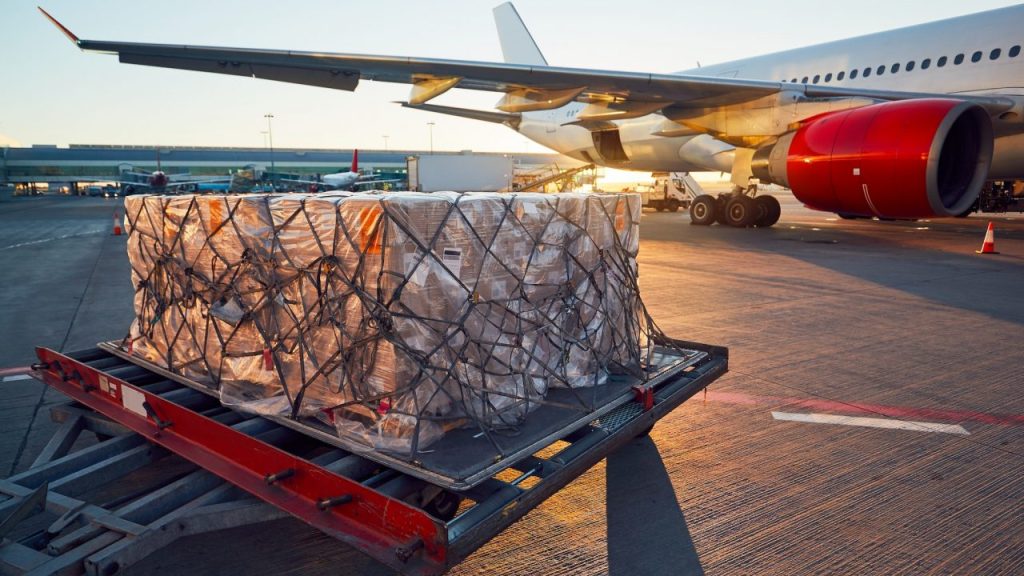
- Air Freight: This is significantly faster than sea freight, often taking just days. However, it comes with a higher price tag. Air freight is best for urgent shipments or smaller quantities of high-value items where speed is more important than cost. The cost is usually calculated by weight or volume, whichever is greater.
Choosing the right method depends on your budget, timeline, and the volume of items you’re moving. Our team can help you weigh these options to find the best fit for your specific situation.
Packing and Handling Charges
Don’t underestimate the cost of packing and handling. Professional international movers use specialized materials and techniques to protect your belongings during the long journey. This includes:
- Materials: High-quality boxes, bubble wrap, packing paper, furniture blankets, and custom crating for fragile or oversized items.
- Labor: The time and skill of professional packers to ensure everything is secured properly.
- Loading and Unloading: The physical effort and equipment needed to load your items onto the transport vessel and unload them at your destination.
Some companies might offer different levels of packing service, from full-service packing to partial packing where you handle some items yourself. Be sure to clarify what’s included in your quote.
Insurance and Valuation Options
Things can happen during transit, no matter how careful everyone is. That’s why insurance or declared value coverage is a critical part of international moving costs. You’ll typically encounter a few options:
- Full Value Protection: This is the most comprehensive option. If any item is lost or damaged, the mover is responsible for repairing it, replacing it, or making a cash settlement for its current market replacement value. This usually comes with a deductible.
- Limited Liability Coverage: This is a basic level of coverage provided by law, often at no extra cost, but it offers minimal protection. For example, it might cover only a small amount per pound or per shipment, regardless of the actual value of your items.
- Third-Party Insurance: You can also purchase separate marine insurance policies from independent providers for added peace of mind.
It’s important to understand the terms, conditions, and coverage limits of any insurance or valuation option you choose. We can guide you through these choices to make an informed decision about protecting your possessions. International relocation costs vary widely, and insurance is a significant factor.
The complexity of international moving means that unexpected issues can arise. Having a clear understanding of your shipping method, packing services, and insurance options upfront is key to avoiding surprises and managing your budget effectively. Our goal is to provide clarity on these expenses so you can plan with confidence.
Navigating Customs and Documentation Fees
Moving your belongings across international borders involves more than just packing and shipping. You’ll run into customs and documentation requirements that can feel like a maze if you’re not prepared. Understanding these fees and processes upfront is key to a smooth international move. Our move management services help you sort through this complexity, making sure all the necessary paperwork is handled correctly.
Essential Customs Paperwork for International Moves
Every country has its own set of rules for what you can bring in. Generally, you’ll need a few core documents to get your shipment cleared:
- Customs Declaration Form: This is a standard form where you list all the items you’re shipping. It helps customs officials understand the contents of your shipment.
- Detailed Inventory List: A comprehensive list of every item, often with estimated values. This is crucial for customs and insurance purposes. We help create accurate inventories that meet destination country requirements.
- Passport and Visa Information: Proof of your identity and legal right to enter the destination country is often required.
- Proof of Ownership/Residency: Documents showing you’ve owned the items for a certain period (often 6-12 months) can help you avoid certain duties and taxes.
Understanding Import Duties and Taxes
Depending on the country you’re moving to and the items you’re shipping, you might have to pay import duties and taxes. These are essentially fees charged by the destination country’s government.
- Value-Based Duties: Often calculated as a percentage of the total value of your shipment.
- Specific Item Taxes: Some items, like alcohol or tobacco, might have specific taxes applied.
- Exemptions: Many countries offer exemptions for household goods and personal effects if you’re moving permanently and have owned the items for a set time. Our team can guide you on potential exemptions.
Customs brokerage fees are also a part of this. These are charges paid to a broker who handles the customs clearance process on your behalf. For 2026, these fees can typically range from $250 to $600, depending on the complexity of the shipment and the broker’s services. Understanding these financial aspects early is important.
Avoiding Customs Delays and Associated Costs
Customs delays can be frustrating and costly, adding unexpected storage fees or even affecting your move-in timeline. The best way to avoid them is through careful preparation and accurate documentation.
- Declare Everything: Be honest and thorough on your customs forms. Hiding items or misrepresenting their value can lead to serious penalties.
- Know Restricted Items: Each country has a list of items that are prohibited or require special permits (e.g., certain foods, plants, firearms). Research these before you pack.
- Work with Experienced Professionals: Our move management service includes dedicated support for customs clearance. We work with trusted partners to ensure your paperwork is correct and submitted on time, minimizing the risk of delays. This proactive approach helps prevent issues that could otherwise lead to extra charges or hold-ups.
Dealing with customs can seem daunting, but with the right information and support, it becomes a manageable part of your international relocation journey. Proper planning and clear communication with your move management team are your best tools.
Specialized Item Moving Costs
Moving your whole life across the globe is one thing, but what about those items that need a bit more attention? We’re talking about cars, pets, and maybe even that antique grandfather clock your great-aunt left you. These aren’t your average boxes, and they come with their own set of considerations and costs.
Relocating Vehicles Internationally
Shipping a car overseas can feel like a big undertaking. It’s not just about getting it from point A to point B; it’s about making sure it arrives in the same condition you left it. There are a few ways to do this, each with its own price tag and timeline. You’ve got options like roll-on/roll-off (RoRo) shipping, which is generally more budget-friendly, or container shipping, which offers more protection for your vehicle. The cost can vary wildly depending on the car’s size, the shipping method, and the destination. Our international move management service helps sort through these details, finding the best fit for your vehicle and your budget.
Here’s a general idea of what to expect:
- Roll-on/Roll-off (RoRo): Your vehicle is driven onto a specialized ship and secured. It’s usually the most economical option.
- Container Shipping: Your car is loaded into a shipping container, either by itself or with other items. This provides more security and protection.
- Air Freight: The fastest but most expensive method, typically reserved for high-value or time-sensitive vehicle transport.
Shipping Pets Across Borders
Your furry (or feathered, or scaled) family members are part of the move too! Pet relocation is a whole different ballgame, involving health certificates, vaccinations, airline or shipping company regulations, and sometimes even quarantine periods. Each country has its own rules, and getting them wrong can lead to delays or serious headaches. We work with specialized pet transport partners to handle the complexities, making sure your pet’s journey is as stress-free as possible for everyone involved. It’s important to start planning for pet moves well in advance, often months before your actual moving date.
Key steps often include:
- Vet Check-up and Vaccinations: Ensuring your pet is healthy and up-to-date on all required shots.
- Import Permits and Paperwork: Gathering all necessary documentation for the destination country.
- Travel Crate: Obtaining an airline-approved crate that meets specific size and safety standards.
- Booking Transport: Arranging flights or other transport methods that accommodate pets.
Transporting Fine Art and Antiques
Moving valuable art pieces or cherished antiques requires a delicate touch and specialized knowledge. These items often need custom crating, climate-controlled transport, and specific insurance coverage. The packing materials themselves are different – think acid-free paper, specialized padding, and reinforced crates designed to protect against shock and vibration. Our move management services can coordinate with experts who understand how to handle these sensitive items, from initial assessment to final placement in your new home. It’s about preserving the integrity and value of your most treasured possessions.
Handling delicate items like fine art or antiques internationally involves more than just careful packing. It requires understanding the specific environmental conditions during transit and ensuring appropriate insurance is in place to cover potential damage or loss. This level of specialized care is what sets professional international move management apart.
When considering these specialized moves, remember that our goal is to simplify the process. We help you understand the costs, timelines, and requirements so you can focus on settling into your new home, knowing your most important belongings are in good hands. For a general overview of international moving costs, you can look at average international moving expenses.
Additional Expenses to Anticipate
Moving your life across borders is a big undertaking, and while the main costs of shipping are often clear, there are other expenses that can pop up. It’s smart to think about these ahead of time so you’re not caught off guard. Our international move management service helps you plan for these, making the whole process smoother.
Storage Solutions During Your Move
Sometimes, your new home isn’t quite ready when your belongings arrive, or maybe you need to clear out your old place before the final move-out date. This is where storage comes in. You might need short-term storage at your destination, or perhaps temporary storage in your origin country. Costs can vary based on the size of the storage unit needed and how long you’ll require it. It’s a good idea to get quotes for storage options early on, especially if your moving timeline is a bit uncertain. We can help coordinate this for you.
Destination Service Fees
Once your shipment reaches its new country, there are often services required at the destination. These can include things like customs brokerage fees (which are separate from duties and taxes), port fees, and delivery to your final residence. Some movers might bundle these, while others list them separately. Understanding what’s included in your main quote and what might be an extra charge is key. These fees can add up, so it’s important to ask your mover for a clear breakdown.
Potential Hidden Costs of Moving Abroad
Beyond the obvious, a few other costs might sneak up on you. Think about things like:
- Temporary housing: If your new home isn’t ready, you’ll need a place to stay.
- Home setup: This could include setting up utilities, buying new appliances if yours don’t work with the local voltage, or even minor repairs.
- Vehicle import costs: If you’re shipping a car, there might be specific import duties, taxes, and registration fees in the new country.
- Pet import requirements: Some countries have quarantine periods or specific veterinary checks for pets, which come with their own costs.
Planning for these less obvious expenses can prevent a lot of stress. It’s about being prepared for the practical realities of settling into a new country, not just the physical move of your items. Our goal is to help you anticipate these so your budget is realistic.
It’s always wise to budget a little extra for unexpected situations. Having a buffer can make a big difference when you’re adjusting to a new environment. Relocating abroad involves more than just shipping costs, and being aware of these potential extras is part of smart planning. We focus on providing clear cost breakdowns so you know what to expect.
Choosing the Right International Mover
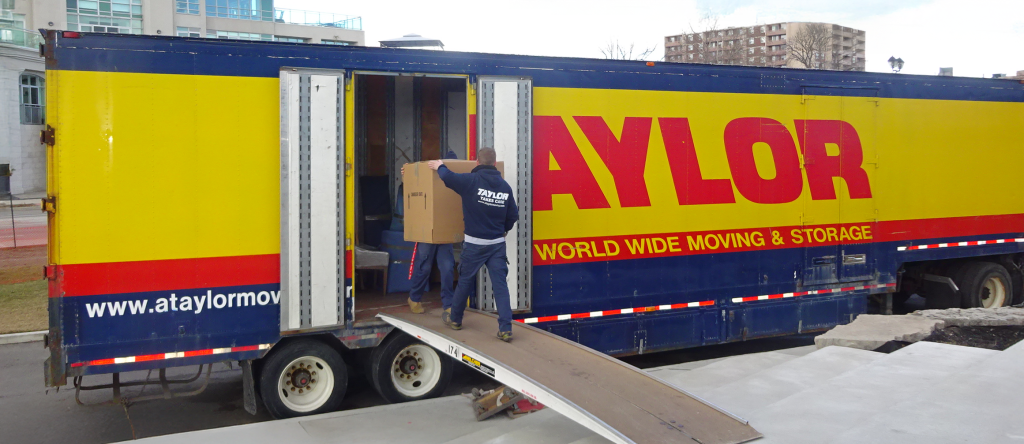
Picking the right company to handle your international move is a big deal. It’s not just about getting your stuff from point A to point B; it’s about peace of mind. You want a partner who understands the complexities of moving across borders, someone who can manage all the moving parts so you don’t have to. Our international move management services are designed to do just that, taking the stress out of your relocation.
Evaluating Mover Credentials and Accreditations
When you’re looking at different moving companies, don’t just take their word for it. Check what credentials they hold. These aren’t just fancy acronyms; they often mean the company meets certain standards for quality, reliability, and ethical practices. Look for affiliations with reputable industry organizations. These groups usually have codes of conduct and dispute resolution processes, which can be a lifesaver if something goes wrong.
- FIDI (Fédération Internationale des Déménageurs Internationaux): This is a global association of international moving companies. Membership often means they adhere to strict quality standards.
- IAM (International Association of Movers): Another large global organization that promotes professional standards in the moving industry.
- AMSA (American Moving & Storage Association): For moves involving the US, this association offers resources and promotes best practices.
Always verify these accreditations directly with the organization if possible. It’s a good way to confirm the mover is in good standing.
Questions to Ask Potential International Movers
Don’t be shy about asking questions. The more you know upfront, the better you can compare your options. A good mover will be transparent and happy to answer. Here are some key things to ask:
- What is your process for managing international moves? Understand their end-to-end service, from packing to delivery.
- Who will be my main point of contact? Having one dedicated person can simplify communication.
- What are the estimated transit times, and what factors can cause delays? Get a realistic timeline and understand potential hiccups.
- How do you handle customs clearance? This is a major part of international moving and can be tricky.
- What insurance and valuation options do you provide? Make sure your belongings are protected.
- Can you provide references from recent international moves? Hearing from past clients can be very telling.
- What are your payment terms and methods? Clarity here avoids surprises.
The cost of international movers varies significantly based on factors like distance, volume of goods, shipping method (air vs. sea), and included services. Additional expenses can include customs duties, insurance, packing, and destination services. It’s crucial to compare quotes from different companies, looking beyond just the price to assess reliability, transparency, and support. Understanding customs regulations and potential hidden costs like storage or special handling for items like vehicles or pets is key to accurate budgeting and a smooth relocation.
Assessing Service Quality and Value
When you’re comparing international moving companies, it’s easy to get caught up in just the price. But remember, the cheapest option isn’t always the best value. Think about the overall service quality and what you’re getting for your money. Our move management approach focuses on providing a high level of service and clear communication throughout the entire process. We aim to make your international relocation as smooth as possible by coordinating all the details.
Consider these points when evaluating quality:
- Transparency: Does the quote clearly outline all services and potential costs? Are there hidden fees?
- Communication: How responsive and clear is the company when you ask questions?
- Process Clarity: Do they explain the entire moving process, including customs and delivery, in a way you understand?
- Customer Reviews: What do other people say about their experience? Look for patterns in feedback.
Ultimately, you’re looking for a mover that offers a balance of good service, clear communication, and fair pricing. Finding the right international moving partners can make all the difference in your overseas experience.
Picking the right company to help you move overseas can feel like a big task. You want a team that knows the ropes and makes things easy. We’re here to help you move your stuff without the stress. Ready to start your journey? Visit our website to get a free quote today!
Wrapping Up Your International Move
So, we’ve gone over a lot of details about what goes into moving your life across borders. It’s definitely not as simple as packing a few boxes for a move across town. There are a lot of moving parts, from figuring out customs paperwork to making sure your pets are okay for the journey. The costs can really add up, and it’s easy to get caught off guard by unexpected fees if you’re not careful. Planning ahead is key, and getting a few quotes from different international moving companies can help you get a clearer picture of what you’re looking at budget-wise. Remember, this is about more than just shipping your stuff; it’s about starting a new chapter somewhere new, and getting that part right makes all the difference.
Frequently Asked Questions
How much does it typically cost to move my belongings overseas?
The price of moving your stuff internationally can change a lot. It depends on how much you’re moving, how far it’s going, and how you choose to ship it. For instance, sending things by air is faster but costs more than sending them by sea. A small move might cost a few thousand dollars, while a larger one could be tens of thousands. It’s best to get a few quotes to get a clearer idea for your specific situation.
What are the biggest factors that affect the price of an international move?
Several things play a big role in the cost. The distance to your new country is a major one. The volume and weight of your items are also key – the more you have, the more it costs. How you pack and if you need special handling for certain items, like artwork or instruments, will add to the bill. Don’t forget about insurance and any fees for customs in your new country.
How can I compare different international moving company quotes?
When you get quotes, make sure they’re for the exact same services. Look closely at what’s included, like packing, loading, shipping, unloading, and unpacking. Ask about any extra fees that might pop up. Compare the total price, but also think about the company’s reputation and what other people say about their service. A cheaper quote isn’t always the best deal if the service is poor.
What are customs duties and taxes, and how do they impact my move?
Customs duties and taxes are fees that your new country might charge you for bringing goods into the country. These charges depend on the country and the types of items you’re importing. Sometimes, if you’re moving your household goods permanently, you might be able to get an exemption, but you’ll need to check the specific rules for your destination. It’s important to understand these costs to avoid surprises.
Is it possible to ship my car or pets internationally, and what does that involve?
Yes, you can ship cars and pets internationally, but it often comes with extra costs and specific requirements. Shipping a car involves special containers or roll-on/roll-off services, plus paperwork for both countries. Moving pets requires health certificates, vaccinations, and specific airline or shipping company rules. These specialized moves need careful planning well in advance.
What are some common ‘hidden’ costs I should be aware of when moving abroad?
Sometimes, costs can creep up unexpectedly. Watch out for fees for storing your items if there’s a delay, charges for delivering to places that are hard to reach, or costs for unpacking services if you didn’t include them. Also, some companies might charge extra for things like stair carries or long-distance travel from the port to your new home. Always ask for a full breakdown of potential extra charges.
Leave a Comment