Can International Students Claim Moving Expenses? A Comprehensive Guide

Moving to a new country for studies is a big deal, and you’re probably wondering about all the costs involved. One question that often comes up is whether you can get some of that money back on your taxes. Let’s talk about whether international students can claim moving expenses. It’s not always straightforward, but understanding the rules can save you some cash.
Key Takeaways
- Moving expenses for international students generally refer to costs directly tied to relocating for educational purposes, like travel and shipping your belongings.
- To claim these expenses, you typically need to meet specific criteria related to your student status and residency, and the move must be for the purpose of starting studies.
- Commonly deductible costs can include transportation, temporary lodging, and costs related to setting up your new place to live.
- Understanding tax treaties between your home country and the country where you’re studying is important, as these can affect what you can claim.
- Keeping good records of all your expenses and consulting with a tax professional familiar with international student tax rules is highly recommended to avoid mistakes.
Understanding International Moving Expenses
Moving to a new country for your studies is a huge step, and it often comes with a lot of expenses. It’s not just about the plane ticket; there’s a whole list of things that add up. Thinking about these costs upfront can save you a lot of stress down the line. Our international move management services are designed to help you get a clear picture of these expenses from the start.
What Constitutes Moving Expenses for International Students?
When we talk about moving expenses for international students, we’re generally referring to the costs directly associated with relocating your household goods and yourself from your home country to your new country of study. This can include a wide range of items, from packing materials and shipping fees to temporary living costs upon arrival. It’s important to distinguish these from everyday living expenses once you’ve settled in. The goal is to capture the costs incurred specifically because you are moving.
Here’s a breakdown of common expense categories:
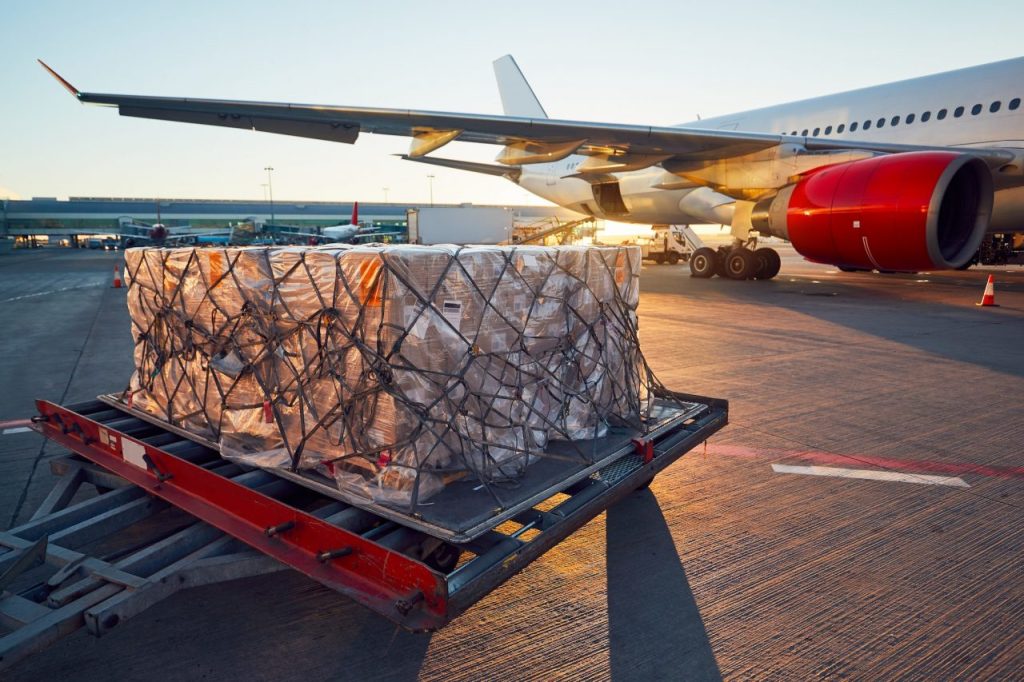
- Transportation and Shipping: This covers the physical movement of your belongings. Think air freight, sea freight, and even ground transport to and from ports or airports. It also includes insurance for your goods during transit.
- Temporary Accommodation and Meals: Often, you’ll need a place to stay for a few days or weeks before your permanent housing is ready. This section includes hotel bills and the cost of food during this interim period.
- Costs Associated with Securing a New Residence: This might involve things like setting up utilities, initial cleaning services for your new place, or even minor repairs needed before you can move in.
Distinguishing Between International and Domestic Moves
An international move is quite different from a domestic one. For starters, the distances are much greater, and the logistics are significantly more complex. You’re dealing with customs regulations, international shipping carriers, and often, currency exchange rates. While some domestic moves might involve hiring a moving truck, international moves typically require specialized services that handle everything from packing and customs clearance to final delivery in a foreign land. This is where professional international move management really shines, taking the guesswork out of a complicated process.
Key Factors Influencing Moving Costs
Several things can affect how much your international move will cost. The volume and weight of your belongings are big ones, of course. Shipping your entire apartment versus just a few suitcases will naturally have different price tags. The distance between your origin and destination also plays a role, as does the method of transport you choose – air freight is faster but pricier than sea freight. The services you opt for, like full packing, unpacking, or specialized handling for items like musical instruments or artwork, will also add to the total cost. When you’re planning an international move, getting detailed quotes from reputable international moving companies is a smart first step.
Understanding the nuances of international moving expenses is the first step toward managing them effectively. It’s a complex process, but with the right information and support, it can be much less daunting.
If you’re an international student moving to the U.S. for your studies, you might be able to deduct certain moving expenses. This is especially true if you are moving to a new workplace outside the United States or its possessions moving to and from the United States. However, for most people, moving expenses are no longer deductible on federal tax returns moving expenses are no longer deductible. It’s a detail that often causes confusion, so understanding your specific situation is key.
Eligibility Criteria for Claiming Expenses
Defining ‘Moving’ for Tax Purposes
When you’re an international student, figuring out what counts as a ‘moving expense’ for tax purposes can be a bit tricky. It’s not just about packing boxes and hopping on a plane. For tax authorities, a ‘move’ usually means you’re relocating to a new home to start a new job or attend a post-secondary program. This means the move must be related to your studies or a new job opportunity in the new location. If you’re just moving to a new apartment within the same city, that typically doesn’t qualify. It has to be a significant relocation that changes your primary residence for educational or employment reasons. Think of it as a fresh start in a new place specifically for your academic journey.
Student Status and Residency Considerations
Your status as an international student plays a big role in whether you can claim moving expenses. Generally, you need to be enrolled in a program of study at a post-secondary institution. This often means you’re moving to a new location specifically to attend that institution. The tax rules look at whether your new home is significantly closer to your school than your previous one. It’s also important to consider your residency status for tax purposes. While you’re in the country for studies, you might be considered a non-resident or a resident alien, depending on the specific tax laws and how long you’ve been there. This can affect what you can claim. It’s a good idea to check the specific requirements for your situation, as rules can vary.
Documentation Required for Claims
Keeping good records is super important when you’re thinking about claiming moving expenses. You can’t just say you moved and expect to get a deduction. You need proof. This usually includes receipts for everything you spent money on related to the move. Think about:
- Transportation and shipping costs: Bills of lading, receipts from moving companies, fuel receipts if you drove your own vehicle.
- Temporary living expenses: Hotel bills, meal receipts if you had to stay somewhere temporarily while finding permanent housing.
- Costs related to your new home: Like lease application fees or costs to set up utilities.
It’s also wise to have documentation that shows the move was for your studies, like your acceptance letter or enrollment confirmation. Without proper documentation, your claim might be denied. When planning your international move, getting quotes from reliable movers can help you budget and keep track of these costs. Compare moving quotes to understand the potential expenses involved.
The key is to be organized from the start. Every receipt, every invoice, and every confirmation email is a piece of the puzzle that proves your expenses were legitimate and directly related to your relocation for educational purposes. This diligence makes the tax filing process much smoother.
Types of Expenses That May Be Claimable

So, you’ve made the big move to study abroad, and now you’re wondering about those moving expenses. It’s not always straightforward, but there are definitely costs associated with relocating for your education that might be deductible. Think about everything from getting your stuff to your new place to settling in.
Transportation and Shipping Costs
This is usually the biggest chunk of moving expenses. It covers how you and your belongings get from point A to point B. If you’re shipping a lot of items, like furniture or boxes of books, you’ll want to look into professional international moving companies. They handle the complexities of cross-border shipping, which can be a real headache if you try to do it yourself. Getting a detailed quote from a reputable mover is a good first step. This includes costs for packing, freight (whether by air or sea), and delivery to your new home. Don’t forget about travel costs for yourself, too – think plane tickets, train fares, or even gas if you’re driving part of the way. Sometimes, you might need to pay for temporary storage if your new place isn’t ready when your belongings arrive.
Temporary Accommodation and Meals
Sometimes, your arrival date and when you can actually get into your new student housing or apartment don’t line up perfectly. If you need to stay in a hotel or a short-term rental for a few days while you wait, those costs can add up. This also includes reasonable meal expenses during this temporary period. It’s not about fine dining, but covering the cost of food while you’re in transit or waiting to move into your permanent residence. Keep receipts for everything, as these are often scrutinized.
Costs Associated with Securing a New Residence
Once you’ve found a place, there can be other costs involved in making it your own. This might include things like setting up utilities, paying a security deposit, or even buying essential household items if your new place is unfurnished. While not always directly related to the physical move, these costs are part of establishing your new life as a student in a new country. It’s all about getting you set up and ready to focus on your studies.
Moving internationally involves a lot more than just packing boxes. It’s about the entire process of relocating your life to a new country for your education, and many of these associated costs can be significant. Understanding what’s potentially deductible can make a big difference.
Here’s a quick look at common expenses:
- Airfare or other travel costs for yourself.
- Shipping fees for your personal belongings.
- Costs for temporary lodging if needed.
- Reasonable meal expenses during the move.
- Fees for setting up utilities in your new home.
When you’re planning your international move, it’s wise to get a clear picture of all potential expenses. Using a service that specializes in international moves can help manage the logistics and provide clarity on costs. Choosing the right company can make a significant difference in your overall experience and peace of mind.
Navigating Tax Regulations for International Students
Moving to a new country for your studies is a big step, and understanding the tax rules can feel a bit overwhelming. It’s not just about figuring out where to live or what classes to take; there are financial aspects to consider too, especially when it comes to moving expenses. Knowing the tax laws can help you save money and avoid unexpected issues down the line.
Understanding Tax Treaties and Agreements
Different countries have agreements in place that can affect how international students are taxed. These treaties are designed to prevent double taxation, meaning you shouldn’t have to pay taxes on the same income in both your home country and your new country of study. It’s a good idea to look into whether a tax treaty exists between your home country and the country where you’ll be studying. This can sometimes simplify how you report income and claim deductions. For instance, some agreements might exempt certain types of income or provide specific rules for students.
Reporting Income and Deductions
When you’re an international student, you’ll likely need to report any income you earn, whether it’s from a part-time job, a scholarship, or a grant. The good news is that certain moving expenses might be deductible, which can lower your taxable income. The rules for what qualifies as a deductible moving expense can be specific. Generally, these are costs directly related to moving your main home to a new location to attend a post-secondary institution. Think about the costs associated with your international move; our services can help manage the complexities of international moving so you can focus on your studies and keep better track of related expenses.
Seeking Professional Tax Advice
Tax laws can be complicated, and they change. What might seem straightforward could have hidden details. For international students, this is especially true because you’re dealing with the tax systems of two countries. If you’re unsure about your tax obligations or how to claim moving expenses, it’s wise to get help. Many universities have services to assist international students with tax questions. You can also consult with a tax professional who has experience with international student tax matters. They can provide personalized advice based on your specific situation and help you make sure you’re following all the rules correctly. Remember, you can claim moving expenses if you meet certain requirements, like the distance moved and having earned income for tax purposes.
Common Pitfalls and How to Avoid Them
Moving abroad for studies is a huge step, and while you’re focused on classes and settling in, tax stuff can feel like a whole other language. It’s easy to trip up when trying to figure out what you can claim. Let’s look at some common mistakes international students make and how to steer clear of them.
Overlooking Specific Deductible Expenses
Sometimes, students think only the big-ticket items count, like flights or the cost of shipping their entire life. But there are often smaller, yet still claimable, expenses that get missed. Think about things like visa application fees, costs for getting medical records or transcripts sent over, or even the expense of storing some belongings temporarily if your new place isn’t ready.
- Visa and Immigration Fees: Don’t forget fees paid to get your student visa.
- Document Translation: If you had to get official documents translated.
- Temporary Storage: Costs for storing items if your new accommodation isn’t immediately available.
- Communication Costs: Setting up a new phone plan or internet service in your new country.
It’s really important to keep track of everything. Even small amounts add up. When you’re planning your international move, consider using a service that helps manage all the details, so you don’t have to worry about losing track of receipts. Our international move management can help organize these details for you.
Inadequate Record-Keeping
This is a big one. Without proper records, even legitimate expenses can’t be claimed. You need proof! This means keeping all your receipts, invoices, and bank statements related to your move. If you paid for something in cash, try to get a detailed receipt. For larger expenses, like hiring movers, make sure you have a contract or invoice that clearly states what was paid for.
The best approach is to create a dedicated folder, either physical or digital, for all moving-related documents as soon as you start planning.
Here’s a quick checklist for what to keep:
- Flight tickets and boarding passes
- Receipts for accommodation before you moved into your permanent student housing
- Invoices from your international moving company
- Customs declarations and related fees
- Receipts for any temporary storage fees
- Proof of payment for visa applications
If you’re using a professional international moving service, they should provide detailed invoices. Make sure these are clear and itemized. Comparing international moving quotes is one thing, but keeping the final invoice is key for tax purposes.
Misinterpreting Tax Laws
Tax laws can be confusing, especially when you’re dealing with international rules. What’s deductible in one country might not be in another, and the rules for students can be specific. It’s easy to assume something is a moving expense when, for tax purposes, it might not be. For example, the cost of buying new furniture for your dorm room is usually not considered a moving expense, but the cost to ship your existing furniture might be. Always check the specific rules for the country you’re studying in. The interview to determine deductible expenses can be a helpful tool, but it’s not a substitute for understanding the local tax regulations.
It’s always a good idea to consult with a tax professional who specializes in international student taxes. They can help you understand what qualifies and how to fill out your tax forms correctly, saving you potential headaches and money down the line.
Resources for International Students
Moving to a new country for your studies is a huge undertaking, and figuring out the financial side of things, like moving expenses, can add to the stress. Luckily, there are places to turn for help and information. It’s always a good idea to know where to find reliable guidance.
Government Tax Agency Information
Your country’s tax authority is the ultimate source for official tax rules. They usually have websites with detailed information, forms, and sometimes even specific guides for non-residents or students. Checking their official site is the best way to get accurate, up-to-date information on what you can and cannot claim. They often have sections dedicated to international taxpayers or temporary residents. Don’t guess when it comes to taxes; go straight to the source.
University International Student Services
Most universities have dedicated offices for international students. These services are there to help you adjust to life in a new country, and that often includes providing guidance on practical matters like taxes and finances. They might offer workshops, one-on-one consultations, or simply have resources available on their websites. They understand the unique challenges international students face and can point you in the right direction for local support.
Professional Tax Preparer Networks
Sometimes, tax situations can get complicated, especially when dealing with international moves and different tax laws. In these cases, seeking help from a tax professional is a smart move. Many tax preparation services have specialists who are experienced with international clients and can help you sort through your specific situation. They can ensure you’re claiming everything you’re eligible for and that your tax filings are correct. When comparing options, look for services that specialize in international moves, as they’ll be more familiar with the nuances of moving between countries.
Dealing with taxes and moving expenses can feel overwhelming. Remember that you don’t have to figure it all out alone. Utilizing the resources available, from government websites to university support and professional tax advisors, can make the process much smoother. Planning ahead and keeping good records are key steps to managing your finances effectively during your international student journey.
When you’re planning your international move, remember that the actual relocation process itself can be complex. Companies specializing in international move management can handle the logistics, from packing and shipping to customs clearance, which can simplify your transition significantly. Understanding the factors influencing moving costs is also important, as these can vary widely based on distance, volume, and services required.
Moving to a new country can be a big step, and we’re here to help make it easier. Our website has lots of useful information to guide you through the process. Check out our resources for international students and get ready for your adventure!
So, Can You Claim Moving Expenses?
Alright, let’s wrap this up. When it comes to international students and moving expenses, the short answer is usually no, not in the way you might hope for. Most tax rules are set up for people moving for work or to start a new job, and that often doesn’t include students. It’s a bit of a bummer, I know. But hey, at least now you know what to look out for. Keep good records of everything, just in case, and always double-check with a tax professional who knows the ins and outs of international student situations. Moving is a big deal, and while you might not get a tax break for it, planning your move carefully, especially across borders, is still super important. Good luck with your journey!
Frequently Asked Questions
What kind of moving costs can international students usually claim?
When you move to study in a new country, you might be able to claim some of the costs related to your move. This usually includes things like getting your belongings from your old home to your new one, like paying for shipping or travel. It can also cover temporary places to stay and meals if you had to stay somewhere for a short time while finding your new place. Think of it as the essential costs to get you and your stuff to your new school location.
Is moving to a new country for school considered a ‘moving’ expense for tax purposes?
Yes, generally, moving to a new country to attend school is considered a qualifying move for tax purposes, especially if it’s for a course of study that lasts a certain length of time. The key is that the move must be to a new location to start a new job or to attend a post-secondary program. For students, it means moving to the location of their educational institution.
What documents do I need to keep to prove my moving expenses?
It’s super important to keep good records! You’ll need receipts for everything you plan to claim. This includes bills for shipping your stuff, tickets for your travel, and receipts for any hotels or meals you paid for during the move. Also, keep documents that show you were a student, like your acceptance letter or enrollment confirmation.
Can I claim the cost of my plane ticket to my new country?
Often, yes! The cost of your transportation to your new location for study is usually a claimable expense. This could be your plane ticket, train ticket, or even the gas if you drove. The main idea is that it’s the cost of getting yourself to where you need to be for your studies.
What if I moved from one city to another within the same country for school?
If you moved within the same country, like from one city to another, to attend school, those moving expenses might also be claimable. The rules are often similar: the move needs to be to a new location that’s a reasonable distance from your old one, and it must be for your studies. Always check the specific rules for your country’s tax agency.
Where can I find more help or information about claiming moving expenses as a student?
Your university’s international student office is a great place to start; they often have resources or can point you in the right direction. You can also look at the official website for your country’s tax agency (like the IRS in the U.S. or CRA in Canada). Sometimes, talking to a tax professional who understands student and international tax rules can be very helpful too.
Leave a Comment