International movers USA to Australia: A guide to planning your relocation
Key Takeaways
Planning an international relocation requires careful preparation to manage logistics, customs, and family needs. This guide outlines how to ensure your transition to Australia is both efficient and stress-free.
- Start your planning process at least 6-8 months before your intended move date.
- Understand the differences between air and sea freight to manage your budget and arrival timeline.
- Prepare for Australia’s strict biosecurity laws by ensuring your inventory is accurate and compliant.
- Secure professional move management early to navigate complex customs documentation with ease.
- Prioritize the emotional well-being of your family members throughout the relocation journey.
Understanding the moving process from the USA to Australia
Relocating across the Pacific is a significant life event that requires navigating vast geographical and regulatory distances. Professional international movers USA to Australia rely on structured planning to ensure that your household belongings are transported safely from your origin in the States to your new home down under. By utilizing a methodical approach, you can eliminate much of the typical stress associated with moving household goods internationally.
Establishing an early planning timeline
Successfully moving overseas starts long before the final date on your calendar. Most experts recommend creating a master schedule that allows for inventory assessment, documentation gathering, and securing a reliable service provider. When you work with Taylor International, you benefit from their focus on data-driven management, which helps ensure that your timeline stays on track despite the inevitable curveballs of international logistics.
Evaluating air freight versus sea freight options
The choice between air and sea shipping is a foundational decision that influences both your costs and how quickly you receive your items. While air freight is notably faster, sea shipping remains the industry standard for full households due to its cost-efficiency for larger volumes of goods. Your choice should balance your urgency against the total weight and volume of your possessions.
The value of professional move management systems
Modern relocation calls for high-level coordination and sophisticated tracking tools that bridge continents. This is where advanced service providers, such as Taylor International, assist by integrating logistics technology that offers transparency throughout the transit. By using professional move management systems, you maintain visibility over your shipment as it moves through international hubs and local Australian ports.
Budgeting and costs for your move down under
Factors that influence residential shipping rates
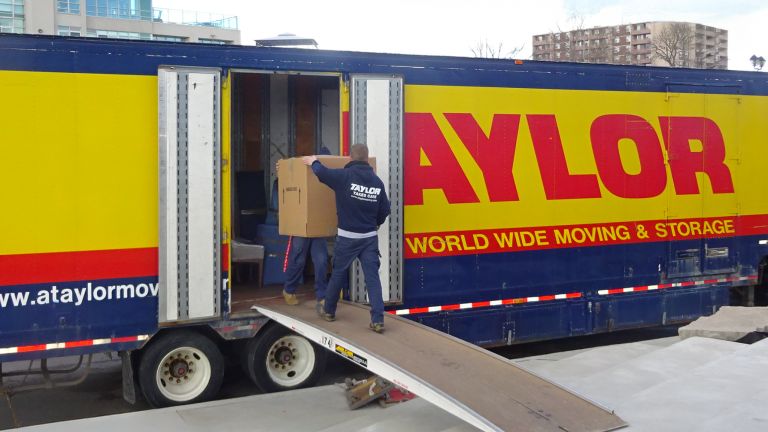
Rates are primarily determined by the volume and weight of your shipment rather than a flat fee. Other critical factors include the accessibility of the collection point at your US residence and the final delivery site in Australia. Destination-specific surcharges, port fees, and the cost of specialized packing materials also adjust your final moving estimate.
Identifying and anticipating hidden move costs
Unexpected expenses often arise from variable customs duties or biosecurity treatment charges that were not initially factored in at the start. To manage these, it is wise to maintain a buffer in your moving budget for common variables that fluctuate during transit. The table below illustrates standard cost categories to help you prepare your financial assessment.
| Expense Category | Typical Impact | Planning Strategy |
|---|---|---|
| Port Fees | Moderate | Verify all-in quotes |
| Biosecurity Fees | Variable | Clean items thoroughly |
| Insurance Premium | Fixed | Assess replacement value |
How to effectively compare international moving quotes
When evaluating different providers, it is crucial to ensure that their estimates cover identical services to facilitate a fair comparison. If one quote appears significantly lower, check for missing services like home-to-port transport, customs clearance support, or onsite assembly. Always prioritize transparency to ensure your international moving quotes represent an honest valuation of the services provided.
Navigating customs and quarantine requirements
Moving to Australia involves dealing with some of the world’s strictest biosecurity regulations to protect the local environment. Any item that is not properly declared or cleaned to local standards can face significant delays or outright confiscation at the border. Being proactive with your paperwork is the single most effective way to avoid unnecessary friction during customs clearance.
Australian Border Force regulations for household goods
Australia requires detailed manifests that explicitly describe the contents of every box being imported into the country. You must be prepared to provide documentation proving that your household goods are used items being relocated for personal use, which helps qualify you for duty-free status. It is necessary to follow all biosecurity protocols to avoid having your entire container flagged by customs officials.
Understanding prohibited and restricted import items
Certain items like plants, seeds, wooden furniture, and various food products are subject to heavy inspection or prohibition. Even small amounts of soil on gardening equipment must be scrubbed off, as organic matter is a major concern for the Australian government. Because the regulations are complex, keeping a list of common restrictions is essentially a best practice for smooth entry.
Best practices for preparing a comprehensive inventory
Creating a detailed inventory list for every room, drawer, and shipping carton is a non-negotiable step for international shipments. You should categorize items clearly so that inspection of specific crates does not require opening your entire container. Organizing your inventory into these key groupings will assist both you and your moving team:
- Fragile electronics and delicate kitchenware
- Essential clothing and seasonal items
- Books, records, and personal documents
- Furniture items needing disassembly
- Sports gear properly cleaned for customs
Coordinating specialized logistics for your home
Regulations for shipping motor vehicles to Australia
Australia has strict rules for importing vehicles, and you must obtain approval before the car even leaves the Port of Origin. This includes meeting emissions and safety standards that may require professional modifications to your vehicle. Because this process involves significant transport logistics coordination, it is essential to start this conversation with your moving company well in advance.
Planning for the safe transport of family pets
Moving pets across the globe is an emotional process that requires strict adherence to vaccination schedules and quarantine timelines. Australia requires specific permit applications and health certifications that must be managed in a precise sequence to avoid long quarantine stays. Professional advice is necessary here to coordinate the movement of your animals from home to kennel to air transport.
Secure handling for fine art and high-value belongings
If you are shipping heirlooms or specialized art, custom crating is the only way to guarantee that these items withstand the rigors of long-haul ocean travel. Moisture-proof barriers and shock-absorbing materials are used to protect finishings from the humidity and vibration of the sea. By requesting white-glove service, you ensure these items remain in pristine condition during the move.
Supporting your family through the relocation
The practical side of moving is critical, but the emotional support of your family is arguably more important for long-term success. Transitioning to a new country and lifestyle can be a major upheaval, so maintaining a sense of stability during the move is essential. Focus on open communication to help family members grasp what their new life might look like in a different country.
Preparing children for an international move
Involving children in the moving process helps them feel empowered rather than just moved along. Let them choose which specific toys or keepsakes make the journey, as this gives them a small sense of ownership over a large, uncertain change. Establishing routines early on helps ease the transition to a new school or community once you land in Australia.
Planning considerations for retirees moving abroad
Retirees often need to pay close attention to healthcare access and administrative setups specifically suited for individuals shifting their residency. It is equally important to think about the social aspect of building a new community in a neighborhood that fits your post-career lifestyle. Researching local social clubs or volunteer organizations in your target city can make the settling-in phase much more rewarding.
Strategies for a smoother settling-in process
Once your goods arrive at the residence, do not try to unpack everything in a single weekend. Focus on setting up main-living zones first, so that the house feels functional and comfortable right away. Creating a sense of home quickly will help your family settle into their new surroundings with significantly lower anxiety levels.
Selecting a reliable international moving partner
Selecting the right company is the single most important decision you will make in your relocation journey. You need a team that is not only competent in logistics but also responsive when questions arise. A partner who manages Taylor International services will likely offer the technical oversight needed to monitor shipments and keep you informed of any regulatory changes that might impact your move.
Important industry certifications and memberships to check
Look for providers that carry international certifications such as FIDI or membership in the IAM. These indicate that the mover follows a rigorous code of conduct and meets global standards for quality and financial responsibility. Checking for these credentials provides an extra layer of security when selecting a company to manage your private assets.
Essential questions to ask during your consultation
Before signing, you should ask about their specific experience on the US-to-Australia route. Be sure to ask who exactly will be handling your belongings at the destination, as many providers subcontract the final delivery phase to local partners. Having a clear idea of how the handover works will help you feel more comfortable about the continuity of your shipment’s security.
Assessing service quality and global network reach
A true international partner relies on a vast network designed to handle complex movements. By selecting a firm with a global reach, you ensure that they have local agents in Sydney, Melbourne, or Brisbane ready to guide your shipment through final customs clearance. This level of comprehensive support is precisely what makes the difference between a simple move and a stress-free transition.
Conclusion
Moving from North America to Australia is a complex but rewarding journey that requires planning and trust in your logistical partners. By focusing on compliant customs documentation, a realistic timeline, and the well-being of your family, you can navigate these challenges with confidence. Whether you are seeking a free moving quote or expert guidance, working with a specialist ensures that you arrive in your new Australian home ready to start your next adventure.
Frequently Asked Questions
How early should I start planning my move to Australia?
You should start your research and contact potential movers at least 6 to 8 months before your move date to ensure sufficient time for documentation and logistics.
What is considered the best method for moving household goods?
Most individuals choose ocean freight for their primary shipment due to cost, though you may consider air freight for small quantities of urgent items needed immediately upon arrival.
What items are restricted from being imported into Australia?
Australia has very strict rules regarding food, plant material, animals, and soil. Firearms and certain weapons are also heavily restricted and require specific import permits.
Will I need to provide a packing list for customs?
Yes, you must provide a detailed inventory list describing every carton in your shipment, as this is used for mandatory biosecurity and customs assessment.
Can I ship my car to Australia?
It is possible to ship a vehicle, but it must be pre-approved by the authorities and satisfy specific Australian standards before it can be imported or driven on local roads.
How does the customs process work at the Australian border?
Your international mover will coordinate with customs officials to clear your goods, provided that your inventory and declarations are accurate and follow all local regulations.
What should I do if my items are delayed in customs?
Maintain constant communication with your relocation lead, who should be monitoring your goods and communicating any issues related to inspections or documentation updates.
Leave a Comment