Moving from Canada to Portugal: A step-by-step guide for your relocation
Key Takeaways
Planning a successful relocation requires careful preparation and an understanding of the long-term commitments involved in international moving. Here are the most essential aspects to consider for your transition:
- Define your budget and timeline early to avoid stressful financial or logistical surprises.
- Research residency and visa paths that suit your long-term occupational and lifestyle goals.
- Vet international moving partners thoroughly to ensure your household goods are handled securely.
- Organize your personal documentation and customs declarations to prevent unnecessary delays at the border.
- Prioritize specialized logistics early if you are moving pets, vehicles, or high-value fragile items.
Planning your transition to Portugal
Financial preparation and budgeting for international relocation
Moving abroad is a significant commitment that starts with a clear view of your financial health. You should evaluate your savings against the cost of living and potential currency fluctuations when moving from Canada to Portugal. A professional Taylor International assessment can help you define the scope of your household transition, providing the clarity needed to budget for both professional shipping costs and initial living expenses in your new country. By accounting for hidden costs like insurance and regional taxes, you create a buffer that ensures your move remains sustainable through the settling-in phase.
Understanding visa and residency requirements for Canadians
Navigating the legal framework for your stay requires selecting the right pathway based on your income or professional status. Many Canadians find stability through options like the Portugal residency guide, which outlines the thresholds for D7 passive income visas and D2 business permits. Ensuring you gather all necessary proof of financial compliance early in your planning prevents the process from stalling. Consulting with residency visa specialists allows you to align your documents with official government expectations, ensuring your application moves forward without conflict.
Creating a realistic moving timeline for your household
Establishing a structured calendar allows you to break down overwhelming tasks into manageable actions. Begin by assessing your inventory and deciding what is essential to move versus what can be sold or donated. A professional relocation checklist helps map out the vital stages of your departure, such as scheduling shipping with a provider like Taylor International, finalizing your Canadian obligations, and preparing your home for sale or lease. Staying on track with a timeline prevents last-minute rush fees and ensures everything is orderly before you depart.
Managing your international shipment
Deciding between shipping household goods versus buying new
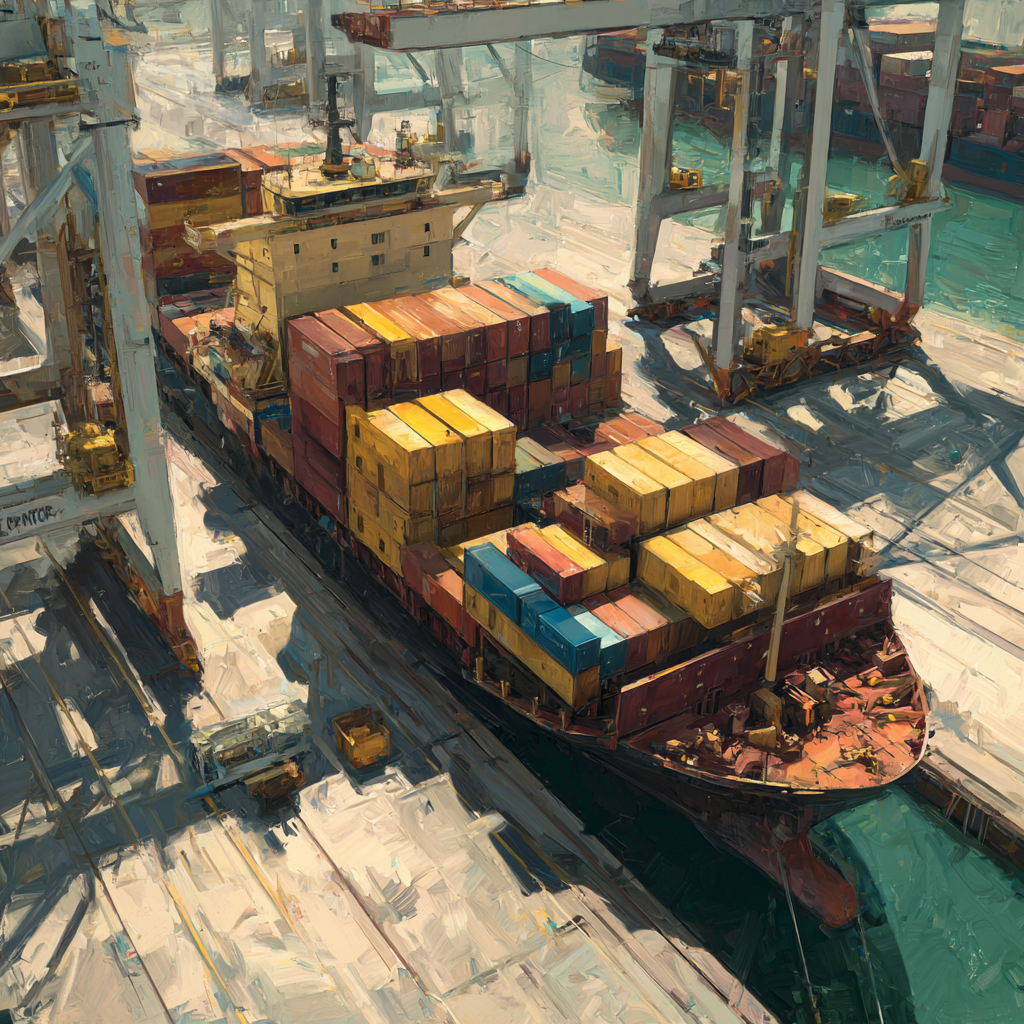
Choosing what to move depends on the sentimental value of your items and the practical reality of replacement costs. While transporting large furniture is often expensive, heirloom items may hold immense intrinsic value. Analyzing the logistical footprint of your shipment allows you to compare freight costs against local acquisition in Portugal, where the cost of living might offer surprising advantages for purchasing specific household necessities.
Selecting a reliable international moving company
Reliability is the cornerstone of a move where your most valuable belongings are concerned. A professional provider offers clear communication regarding timelines, tracking updates, and transit safety protocols. By partnering with reputable moving experts, you benefit from transparent service terms and the assurance that your possessions are handled by professionals familiar with the complexities of overseas transit.
Understanding air freight versus sea freight options
Choosing the right transport method balances the urgency of your arrival with the total weight and volume of your goods. Sea freight remains the most cost-effective solution for full household moves, while air freight is reserved for time-sensitive belongings. Consult the following table for a comparison of typical freight options:
| Feature | Sea Freight (Container) | Air Freight | Courier Service |
|---|---|---|---|
| Typical Transit | 4–8 Weeks | 1–2 Weeks | 3–7 Days |
| Cost Profile | Economical | Premium | Variable |
| Ideal Usage | Household Goods | Priority Items | Important Docs |
Selecting your freight mode effectively allows you to manage expenses while ensuring belongings arrive when needed.
Navigating customs and import documentation

Required paperwork for Canadian citizens moving to Portugal
Preparing for customs requires meticulous attention to the specific items you are bringing as personal effects. You must maintain a detailed packing list and documentation verifying your ownership of these items. Referring to your international moving guide helps you manage these administrative burdens during the departure process, ensuring full compliance with European regulations.
Managing customs clearance for personal household goods
Customs officials in Portugal verify that your imports meet all local standards and tax exemptions for newcomers. You should be prepared for the following procedural requirements for your shipment clearance:
- Submit a detailed, itemized inventory list categorized by room type.
- Provide proof of residency, such as your visa or residency permit.
- Complete the required declarations for duty-free status on household imports.
- Keep copies of your passport and shipping manifests for all official checkpoints.
Following these steps systematically helps you avoid local bottlenecks that could cause significant delays during your entry.
Restricted and prohibited items to avoid during transit
Understanding restrictions is vital for protecting your shipment from being impounded or delayed by customs. Items like certain plant materials, perishable foodstuffs, and hazardous goods are strictly controlled to maintain safety standards. Always confirm that your packed containers do not include banned substances by reviewing the latest import compliance rules, which are updated frequently to align with evolving health and biosecurity regulations.
Solving specialized logistics for your move
Guidelines for relocating pets from Canada to Europe
Moving pets across the Atlantic involves specific health certifications and transit rules that ensure their well-being. Before finalizing your departure, schedule a visit to your local veterinarian to secure the updated microchip ID and vaccination records that comply with EU entry protocols. Ensuring your pet’s comfort requires advanced planning of their travel arrangements so they remain in a secure environment throughout the journey.
Logistics of shipping a vehicle internationally
Shipping a vehicle is a complex undertaking that requires evaluating transport costs against local availability in your destination country. Beyond the basic shipping fees, you must account for various import taxes, modifications to meet local safety standards, and insurance premiums for oceanic transit. Often, seeking specialized transit guidance is necessary to determine if exporting your current vehicle is more efficient than utilizing local transportation options in Portugal.
Protecting fine art and fragile items during long-distance transit
High-value items, such as original paintings or delicate china, demand extra attention in the form of custom crating and climate-controlled transport. Utilizing professional packing services ensures that fragile possessions are cushioned against the physical stresses of long-distance transit. By ensuring your high-value items are documented and insured correctly, you gain peace of mind knowing the integrity of your most beloved belongings is protected.
Settling into life in Portugal
Finding housing and understanding local rental markets
Securing housing requires time to scout locations firsthand before committing to long-term leases. Many newcomers start with short-term rentals while learning the nuances of local neighborhoods and the proximity of amenities. You can find more information about long-term rental trends by engaging with community resources or local agencies, which can provide insights into fair pricing and preferred residential areas for expats.
Addressing healthcare and social security for newcomers
Accessing local healthcare is a priority once you have established your residency. Portugal offers a public National Health Service, while many residents opt for supplementary private coverage to gain faster access to specialists. Understanding how to register within the local system and securing your documentation early ensures that your family has continuous support during the transition.
Managing cultural adjustments and family stress during the transition
Adapting to a new country involves both practical and emotional milestones that every family navigates differently. Taking the time to join international clubs or language classes can help ease the sense of isolation during the first few months. Many families find that keeping a dialogue open about the challenges of moving helps turn the experience into a rewarding long-term relocation success, fostering resilience while your family adjusts to their new rhythm of life.
Conclusion
Moving internationally is an extensive process that benefits from the expertise of Taylor International and a commitment to structured planning. By focusing on your financial roadmap, documentation accuracy, and the logistics of your physical move, you create the opportunity for a smooth start in your new home. With the right resources and a clear understanding of the steps involved, your transition from Canada to Portugal becomes an manageable and exciting adventure for your whole family.
Frequently Asked Questions
What are the main visa options for moving to Portugal?
Residents often choose the D7 visa for passive income, the Digital Nomad visa for remote work, or the Golden Visa for investors, each with specific income and eligibility requirements.
How long does it usually take to ship goods from Canada?
Shipping household goods via sea freight generally takes between four to eight weeks, depending on carrier schedules and the timing of customs clearances at both ends of the journey.
Are Canadians allowed to work while living in Portugal?
Canadians can work in Portugal provided they have a valid visa or residency permit that specifically grants the right to work, such as a D2 visa or a standard work permit sponsored by a local employer.
Do I need to learn Portuguese immediately upon arrival?
While English is widely spoken in tourist and urban areas, learning basic Portuguese is highly recommended for daily interactions and will significantly improve your integration into the local culture.
Is healthcare expensive for residents in Portugal?
Portugal provides a robust public healthcare system, and many residents supplement this with private health insurance, which is generally quite affordable compared to systems in North America.
Should I bring my car from Canada?
Importing a car can be expensive due to registration taxes and safety modifications, so many expats find it more cost-effective to purchase a local vehicle once they have settled in.
How can I make the move easier for my children?
Involving your children in the planning process, visiting potential future neighborhoods, and maintaining consistent routines can help reduce stress and foster a positive attitude toward the new move.
Leave a Comment